
Reviewed · TOURS IN SARANDA
Tour of Saranda
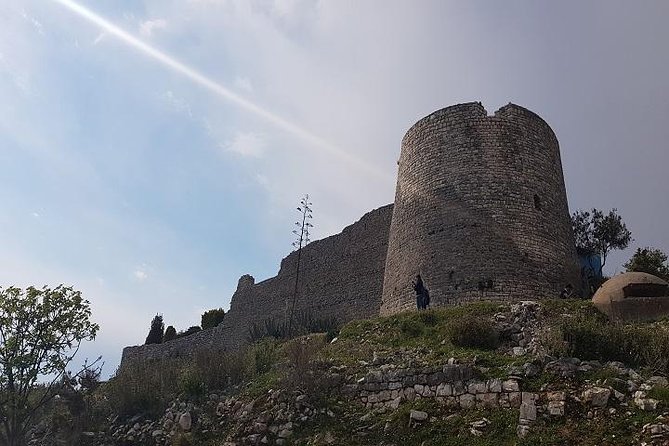
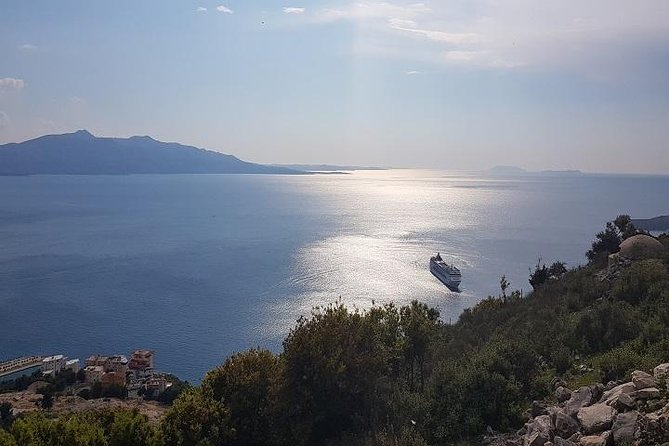
Saranda’s best feature is its view from Lekuresi Castle. From the hill above town, you can see the bay, the road to Butrint, the Ksamil islands, and Corfu. The castle also holds the remains of a synagogue complex that later became a Paleochristian basilica, giving the outing more depth than a simple city drive.
I like the hotel pickup and the mix of walking and vehicle travel. I also like that the guide helps you make sense of several small museums and historic sites that would be easy to miss on your own. One drawback is the large possible group size, up to 100 people, which could make the museum stops feel less personal.
Key points to know before booking
- Lekuresi Castle gives you the big Saranda view: The hilltop stop looks across the bay toward Ksamil and Corfu.
- The tour connects several city sights: You visit the Onhezmus gate, archaeological displays, a numismatic exhibition, a heritage museum, an art gallery, and an Orthodox church.
- Guide Erald has been specifically praised: He translated museum curators’ explanations so visitors could follow the details.
- The outing lasts about four hours: About 30 minutes are set aside for the castle, with roughly three hours around the Saranda embankment.
- Transport keeps the route comfortable: Pickup is offered, and the vehicle is air-conditioned.
- The price is $66.79 per person: That is reasonable if you want several historic stops explained in one half-day, but less attractive if you only want a quick view from the castle.
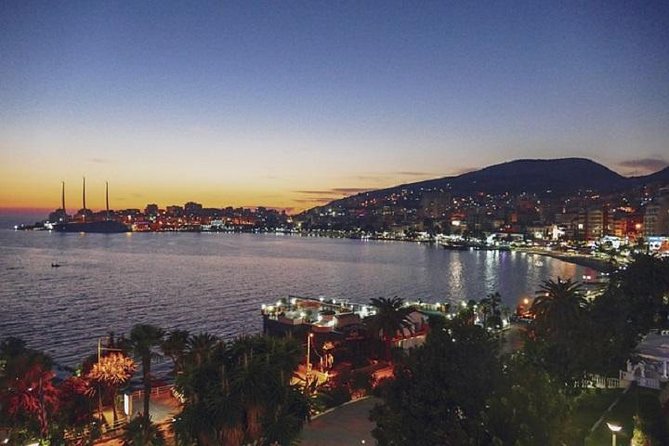
Saranda is easy to enjoy at a glance. You have the sea, a long waterfront, hills behind town, and a clear view toward Corfu. But the city’s older layers are not always obvious from the promenade. This tour is designed to fill in those gaps, linking the modern waterfront with ancient Onhezmus, religious remains, local museums, and the hilltop fortress of Lekuresi.
I see this as a useful orientation tour rather than a dramatic archaeological expedition. You get a broad introduction to Saranda in about four hours, with a guide to explain what you are seeing. The route is especially useful if you have limited time, are visiting on a cruise stop, or want context before heading onward to Butrint or Ksamil.
Why the mix of castle, museums, and waterfront works
The route has a sensible rhythm. You begin with Saranda from above, then spend most of the time at ground level near the embankment. That order matters. The castle gives you a physical sense of the bay and surrounding routes before the museums fill in the story of the city.
The experience is also more varied than a single museum visit. You move between military remains, religious archaeology, coins, local heritage, art, and Orthodox worship. None of these stops is presented as a major standalone attraction, but together they give you a more rounded view of Saranda.
I particularly like the attention to interpretation. One guide named Erald has been praised for translating the museum curators’ talks. That service can make a major difference in Albania, where a short explanation in English may be more useful than simply walking through displays without context.
The main uncertainty is group size. The tour may accept up to 100 people, so the exact feel could range from a manageable group to a fairly large one. If you prefer long, quiet museum visits or lots of time for questions, ask about the expected group size before you book.
Other trips people book in Saranda:
- Gjirokastra- The Stone City & Blue Eye- The monument of Nature.
★ 4.5 · 180 reviews - Butrint, Ksamil, Blue Eye, Lekuresi Castle. All-in-one daytrip.
★ 4.5 · 125 reviews - From Durrës or Golem: Ksamil, Saranda and Blue Eye Tour
★ 4.5 · 111 reviews
Lekuresi Castle and the view over Saranda
The first stop takes you up to Lekuresi Castle, believed to have been built in 1537 during the period when Sultan Sulejmani attacked Corfu. The fortress sits on the top of the hill above Saranda, within the ruins of Lekuresi village.
The setting is the main attraction. From here, you can look across the entire bay of Saranda, follow the road toward Butrint, see the islands around Ksamil, and spot Corfu in the distance. This is the sort of place where a guide’s explanation helps you read the view. The hill is not just scenic. It shows why the location mattered for control and observation.
You have about 30 minutes at the castle, and admission is listed as free. That is enough time for the basic visit and photographs, though not for a slow exploration of every corner. The tour’s vehicle ride up also saves you from arranging transport to the hill independently.
The castle stop is a strong choice for anyone who wants an immediate sense of Saranda’s position. You see how close the city is to the Greek island of Corfu, how the coast bends toward Ksamil, and how the inland road connects the area to Butrint.
Do not expect a fully restored fortress experience. The appeal is the combination of ruins, location, and explanation. If you want polished interiors, extensive displays, or a long archaeological visit, this stop may feel brief.
The synagogue complex and Paleochristian basilica
Within the castle area, on its eastern side, the tour visits the V to VI century synagogue complex. In its final phase, the Jewish cult complex was changed into a Christian building, identified as the Paleochristian Basilica.
This is one of the more unusual details in the route. It shows that Saranda’s religious history did not follow a single line. Buildings changed use over time, and the same site can preserve evidence of different communities and periods.
The stop also adds meaning to the castle visit. Without it, you might treat Lekuresi as a lookout with old stone walls. With it, the hill becomes part of a longer story about settlement and worship in the region.
The available details do not specify how much of the complex remains visible or how much explanation you receive on-site. I would treat it as a short archaeological element within the castle visit rather than a separate museum-length stop.
The Saranda embankment and the old gate of Onhezmus
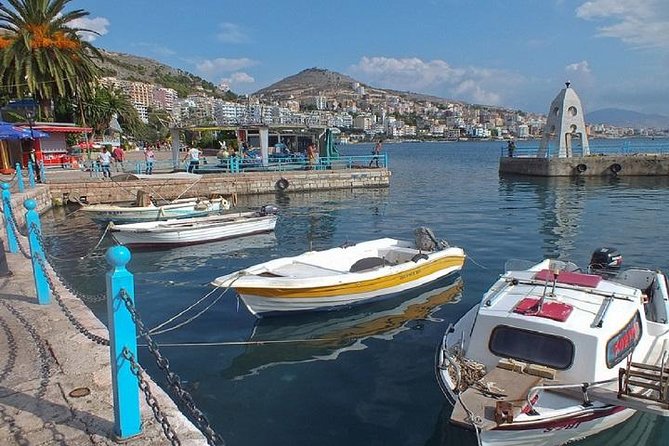
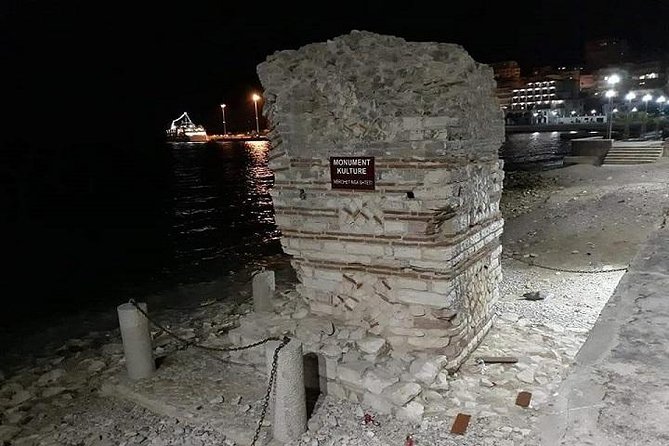
The main portion of the tour takes place around the Saranda embankment. This section lasts about three hours and includes several cultural stops. The first is the Monument of the Incoming Gate of Onhezmus.
Onhezmus is important because it connects present-day Saranda with the ancient settlement beneath and around the modern city. A gateway is not just a decorative object. It helps you picture how people entered the settlement and how the town related to the coast.
This is also where a guide becomes more useful than a map. Small monuments can be hard to understand without dates, names, and a sense of their place in the city’s growth. The tour aims to connect the visible waterfront with the older city that is less obvious during a casual stroll.
Because the embankment section includes many stops, you should expect a steady program rather than a long break at each location. That works well if you want a survey of Saranda. It may feel rushed if your main interest is one particular museum or church.
Same base, a different sort of day:
- Ksamil: Mussel Sailing Tour with Food and Drink in Albania
★ 5.0 · 102 reviews - Butrint, Blue Eye, Ksamil and Lekuresi Castle Tour From Saranda
★ 4.0 · 102 reviews - Stand Up Paddle-boarding around Ksamil islands (3 times a day)
★ 5.0 · 96 reviews - 1-Day Tour in Blue Eye, Monastery, Gjirokaster and Lekursi Castle
★ 5.0 · 76 reviews
Museums that add local detail
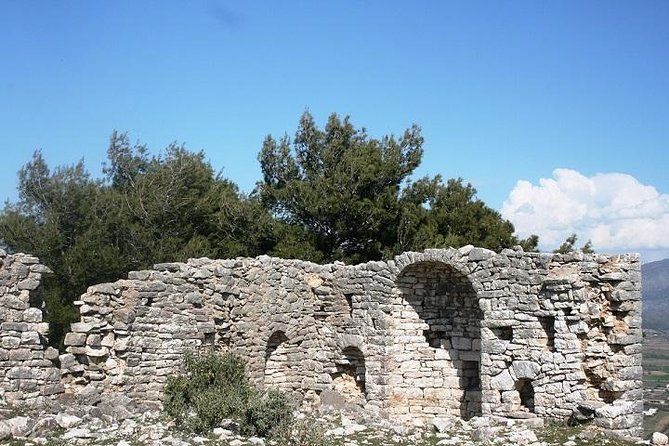
The Albanian Numismatic Exhibition is a valuable stop for seeing the country through coins and money. Numismatics can sound dry, but coins often reveal rulers, trade links, political changes, and the practical reach of different powers. A guide can help you understand why a collection matters instead of leaving you to identify objects behind glass.
The Archaeological Museum broadens the story. It gives the tour a place to explain the area’s older settlements and material remains. The exact displays can change, but the stop is clearly intended to place Saranda within Albania’s wider archaeological setting.
The Museum of Heritage shifts the focus toward local identity. It is a useful counterpoint to the castle and archaeology because it concerns how the area remembers and presents its own past.
You also visit an art gallery. This offers a change of pace after historical displays and gives the city a cultural side beyond ruins and fortifications. The tour does not promise a major gallery visit, so think of it as one part of a wider introduction rather than a dedicated art outing.
Admission is listed as free for the itinerary stops. That improves the value of the $66.79 price, since you are paying mainly for transport, guiding, and the time saved arranging the route yourself.
The Orthodox church and the pace of the walking section
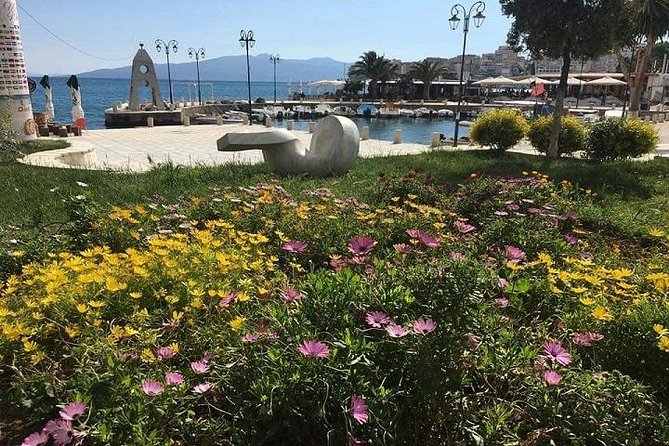
The Orthodox Church is another stop on the embankment route. It adds a living religious site to the archaeological and museum material. Together with the synagogue and basilica remains, it helps show how different religious traditions appear in Saranda’s story.
The experience combines walking with vehicle travel. The vehicle handles the trip up to Lekuresi Castle, while the embankment portion is described as a walking tour. Wear comfortable shoes and expect to move between several nearby points, though the supplied details do not give a precise walking distance.
Three hours is a generous portion of the four-hour outing, but the number of listed sites means the pace may be fairly active. You are unlikely to spend a long, unstructured period in any one place. That is good for first-time orientation and less ideal if you like to sit with every display.
The tour may suit you best if you want a guide to make decisions for you. You do not need to plot a route among the museums, figure out how to reach the castle, or work out which sights belong together. The tradeoff is less freedom to linger.
Guide quality and the value of explanation
The strongest praise connected to this experience concerns the guide’s ability to explain the sites. Erald has been named specifically, and his role included translating curators’ talks so the meaning of the museum visits was clear.
That kind of help matters in a city where the most interesting details may not be obvious from the building or display alone. A castle wall tells you it is old. A museum case shows you an object. A guide can connect those pieces to Saranda, Albania, and the wider region.
The feedback is not uniformly positive. One booking record describes the guide failing to appear or make contact. That is a serious reliability concern, even though the other detailed accounts describe a well-run and informative experience. I would confirm the meeting details shortly before departure and keep the provider’s contact information available.
The tour operates from 9:30 AM to 4:00 PM, Monday through Sunday, according to the supplied schedule. The listed starting point is the Port of Saranda, at V2C3+H76, and the activity ends back at the meeting point. Pickup is offered, so confirm whether your accommodation pickup is included in your specific booking or whether you should go directly to the port.
Is $66.79 a fair price?
At $66.79 per person, this is not the cheapest way to see Saranda’s waterfront. You could walk along the embankment on your own and enjoy the public views without paying for a tour.
The value comes from the combination. You receive transport to the hilltop castle, an air-conditioned vehicle, a guide, museum interpretation, and a planned route through several cultural sites. If you would otherwise hire a taxi, pay for separate explanations, or spend time finding each museum, the price becomes easier to justify.
The free admission listed for the stops also helps. You are not paying a large entrance fee package. You are paying for convenience and local explanation.
For a solo visitor, couple, or family that wants a half-day introduction, the cost is reasonable. For two people focused only on the castle view, it is harder to justify. The more of the listed stops you care about, the better the value.
Who should book this Saranda tour?
I would recommend it to you if you want an efficient first look at the city and prefer someone else to organize the route. It suits visitors with limited time, people staying near the port, and anyone interested in Albania’s cultural layers rather than only its beaches.
It is also a good fit if you want a balance of indoor and outdoor stops. You get a hilltop view, old religious remains, museums, a church, and a waterfront walk. The air-conditioned vehicle makes the transfer to the castle more comfortable.
You may want a different plan if you dislike group tours, need a slow museum pace, or want extensive time at one archaeological site. The maximum group size of 100 is large, and the itinerary covers many places in a short period.
The activity is listed as suitable for most people, near public transportation, and available with mobile tickets. Confirmation is received at booking. Still, confirm the pickup arrangement and meeting point, especially since the port is the stated start and end location.
Should you book it?
Book this tour if you want Saranda explained, not just photographed. The best parts are the view from Lekuresi Castle, the unusual synagogue and basilica remains, and the guide’s role in translating and explaining museum material.
I would skip it if your plan is simply to stroll the waterfront or spend the day at the beach. The tour earns its price through its range of sites and its guide, so it makes the most sense for curious first-time visitors who want a structured half-day introduction.
The overall rating is 4.2 from six reviews, with strong praise for the informative guide, varied museums, churches, and castle visit, alongside one serious no-show complaint. Free cancellation is available up to 24 hours before the start time, which gives you some protection while you finalize your plans.
FAQ
How long does the Tour of Saranda last?
The tour lasts approximately four hours.
Where does the tour start and finish?
The listed meeting point is the Port of Saranda at V2C3+H76, Sarandë, Albania. The activity ends back at the meeting point.
Is hotel pickup available?
Yes, pickup is offered. The listed meeting point is the Port of Saranda, so confirm the exact pickup arrangement for your booking.
What is included in the Lekuresi Castle visit?
You visit the fortress, see the views over Saranda Bay, the road to Butrint, the Ksamil islands, and Corfu, and visit the V to VI century synagogue complex and Paleochristian Basilica remains. Admission is listed as free.
Which museums and cultural sites are visited?
The route includes the Monument of the Incoming Gate of Onhezmus, the Albanian Numismatic Exhibition, the Archaeological Museum, the Museum of Heritage, an art gallery, and an Orthodox Church.
How much does the tour cost?
The listed price is $66.79 per person.
Can I cancel for a full refund?
Yes. You can cancel at least 24 hours before the experience starts for a full refund. Changes or cancellations made less than 24 hours before the start time are not accepted for a refund.
Just added in Saranda
- Wine and Raki tasting tour★ 5.0 · 6 reviews
- Visit the City of Gjirokastra★ 4.5 · 12 reviews
- Visit The National Park of Blue Eye and The Fortress of Lekuresi★ 4.0 · 9 reviews
- Saranda: Tour in South of Albania (Butrint, Blue Eye, Ksamil)★ 5.0 · 9 reviews
- Private tour : Permet and Rafting in Vjosa River★ 5.0 · 6 reviews
- Visit Qeparo Village and The Beaches of Himara★ 4.5 · 9 reviews
- Visit The Ancient City of Butrint and the Beaches of Ksamil★ 4.5 · 17 reviews
- The Albanian Riviera, Porto Palermo, Qeparo Village, And A Big Ol’ Kalaja.★ 4.0 · 9 reviews
Tours in Saranda, compared.
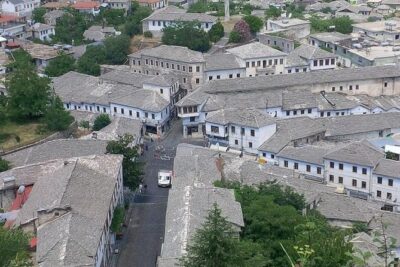
The Stone City & Blue Eye- The monument of Nature.
Read our review →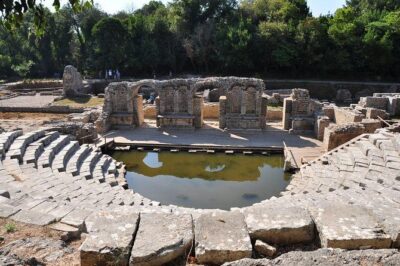
Butrint, Ksamil, Blue Eye, Lekuresi Castle. All-in-one daytrip.
Read our review →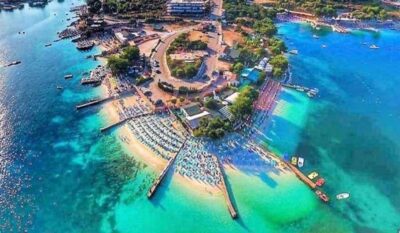
From Durrës or Golem: Ksamil, Saranda and Blue Eye Tour
Read our review →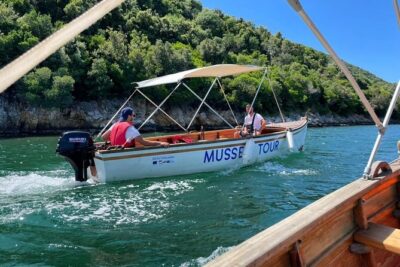
Mussel Sailing Tour with Food and Drink in Albania
Read our review →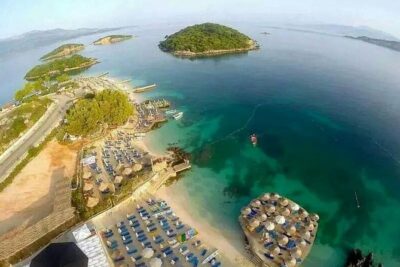
Butrint, Blue Eye, Ksamil and Lekuresi Castle Tour From Saranda
Read our review →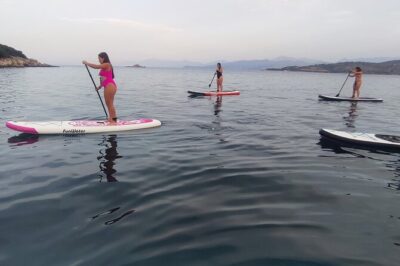
Stand Up Paddle-boarding around Ksamil islands (3 times a day)
Read our review →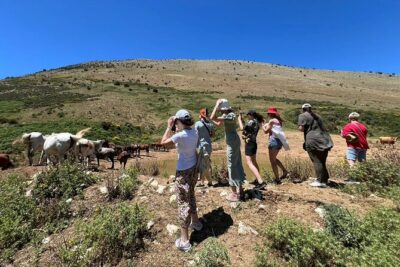
1-Day Tour in Blue Eye, Monastery, Gjirokaster and Lekursi Castle
Read our review →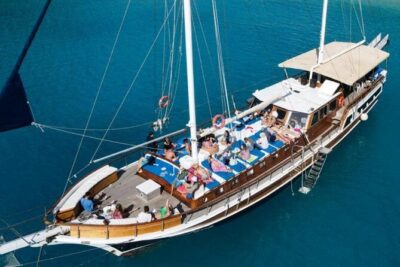
Browse the lists this tour appears in