
Reviewed · BALKAN MULTI-COUNTRY TOURS
Semi-Private Tour of The Balkans from Tirana to Dubrovnik / Split
The best thing about this 8-day Balkan route is its variety. In one trip, you move from Tirana’s coffee shops and food stalls to Ottoman bazaars, Orthodox monasteries, Adriatic towns, Sarajevo’s war-scarred streets, and the famous Stari Most bridge in Mostar. Few short tours connect so many different places and traditions.
I like the small maximum group of 10, which should make border crossings, meals, and city walks easier to manage. I also like the food focus: byrek for breakfast, Albanian qofte and raki, a farm visit at Mrizi i Zanave, and free time for Bosnian dishes in Sarajevo. The main drawback is the pace. You cover five countries or regions in eight days, so several stops are brief and road time is a real part of the experience.
Key points to know before booking
- A compact route through five Balkan countries and regions: Albania, Kosovo, Montenegro, Bosnia and Herzegovina, and Croatia.
- Small-group travel: The vehicle carries no more than 10 participants, with private transport arranged by the operator.
- Strong mix of city history and local life: Markets, cafés, castles, mosques, monasteries, vineyards, farms, and old towns all appear.
- Two Croatian finish options: Your trip ends with a transfer to either Dubrovnik or Split.
- Most major entry fees are covered: Listed admission tickets, tourist taxes, road charges, petrol, and international car insurance are included.
- Budget carefully for meals: Seven breakfasts are included, but lunches, dinners, drinks, snacks, and personal purchases are not.
Why this route works for a first Balkan trip
This tour is designed for you if you want a broad introduction rather than a slow stay in one country. Albania supplies the food, markets, and communist-era story. Kosovo brings Prizren, Gjakova, a famous Orthodox monastery, and wine country. Montenegro contributes Budva and Kotor, while Bosnia and Herzegovina gives you Mostar, Blagaj, and Sarajevo.
The route also shows how close different cultural traditions can be. In Prizren, an Ottoman mosque, Orthodox heritage, old bridges, and Balkan street life sit within an easy walk. In Sarajevo, Ottoman markets, Austro-Hungarian buildings, mosques, churches, and synagogues explain why the city is often called the European Jerusalem.
That range is the tour’s biggest strength. You will not spend every day admiring the same type of monument. You will also see working markets, local food production, family businesses, and places shaped by the recent past.
The tradeoff is that this is a moving tour. Some stops receive only 30 minutes or an hour. You should expect orientation walks and highlights rather than full museum visits or long, unplanned afternoons in every town.
A few more things to do in Tirana worth a look
- Self-guided: Peaks of the Balkans Tour in 8 days
★ 5.0 · 32 reviews - Self – Guided Peaks of the Balkans tour in 7 days
★ 5.0 · 27 reviews - Private Transfer Tirana Airport to cities in Albania &the Balkans
★ 5.0 · 12 reviews
Tirana: Albanian food, coffee, and the communist past
Day one begins in Tirana at 9:00 a.m., with hotel pickup provided. The city introduction is built around food and ordinary local life rather than a long list of formal sights.
You begin with byrek at Tregu Çam, a pastry made with fillings such as cheese, meat, or spinach. The nearby market was founded by Albania’s Çam community, which came from Çameria in present-day northwestern Greece. It is a useful first stop because you can browse clothing, kitchen goods, and other everyday products while getting a feel for local bargaining.
The food walk continues through neighborhoods, alleys, produce stalls, and a traditional pastry shop. You also stop for Albanian coffee at a local café. This part is especially useful if you like to understand a city through daily habits. Coffee culture is a major part of social life here, and the stop gives you time to watch the city rather than simply photograph it.
At Pazari i Ri, or the New Bazaar, you try qofte, grilled meatballs served with fresh bread. Vegetarians are offered bread with gjize, a local cottage cheese. A taste of raki is included as part of the meal experience, though drinks beyond the listed food stops are generally your responsibility.
The day ends at Bunk’Art 2, a former nuclear bunker converted into a museum about Albania’s communist army and the lives of ordinary people under the regime. This is one of the most meaningful stops in Tirana because it puts the country’s twentieth-century story into a physical setting. You spend the night in Tirana.
Kruja and Prizren: bazaars, fortresses, and border crossing
Day two starts with Kruja, a mountain city linked to Albania’s resistance against Ottoman expansion. Its old bazaar is one of the most attractive shopping stops on the route, with wooden buildings and narrow streets selling carpets, jewelry, and handmade goods.
You then visit Kruja Castle, which sits on a rocky hill. The castle visit includes local paths associated with escape routes used when enemies surrounded the fortification. The climb and uneven surfaces make comfortable shoes a good idea.
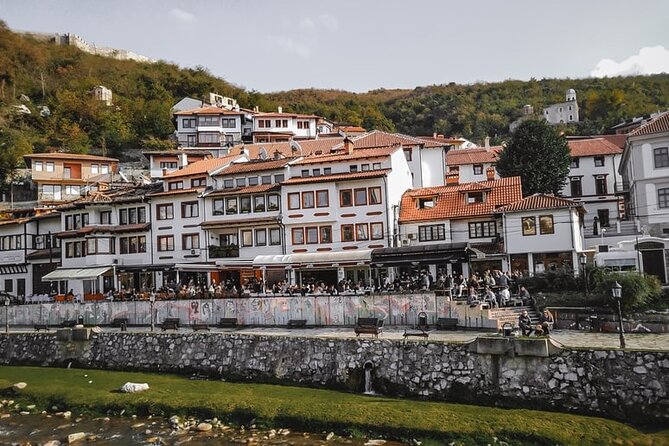
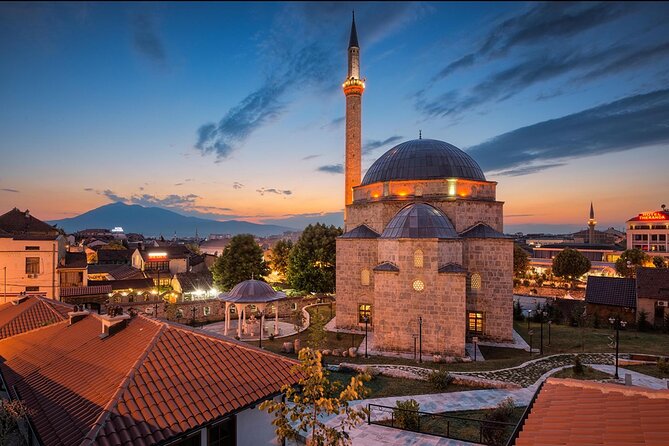
After crossing into Kosovo, you reach Prizren, one of the most appealing towns on this route. The old center follows a river crossed by several bridges, with elegant old houses, religious buildings, and small shops. Filigree work in precious metals is a local specialty, so this is a good place to look for a carefully made souvenir rather than a mass-produced trinket.
The Sinan Pasha Mosque is a featured visit, with colorful arabesque decoration. You also climb to Kalaja Fortress for a broad view over Prizren. The schedule allows free time afterward, which matters here. Prizren is a place where wandering is as valuable as checking off sights.
If you can choose your timing, August brings Dokufest, a well-known short-film festival held in the medieval town. The tour does not promise festival dates, so treat that as a seasonal possibility, not a built-in feature.
Gjakova, Decan, and Rahovec’s wine country
Day three takes you through three different sides of Kosovo. Gjakova is known for its old bazaar, rebuilt after repeated damage during the Balkan wars, World War II, and the Kosovo war. Shops sell handmade crafts, and you have time to look around or stop for a meal.
The Decan Monastery offers a very different setting. White walls and Orthodox frescoes are central to the visit, and Orthodox monks still live there. The monastery became a UNESCO site in 2004 because of its fourteenth-century frescoes, which also provide a window into daily life and Byzantine painting traditions of that period.
The final stop is Rahovec Valley, Kosovo’s wine-producing center. Grapes have been cultivated here since Illyrian times, and the vineyards sit on soft hills between about 350 and 520 meters in elevation. A wine festival takes place each September, but the tour details do not specify a tasting, so you should not assume one is included.
This day is less about famous monuments and more about seeing how local craft, religion, agriculture, and trade fit together. It also adds variety after the urban walks in Prizren and Kruja.
Same base, a different sort of day:
- Hike Gamti Mountain with Bovilla lake view & canyon- From Tirana
★ 5.0 · 1,280 reviews - Berat city UNESCO tour, the Castle & Belshi lake- From Tirana
★ 5.0 · 804 reviews - Walking Tour of Tirana
★ 5.0 · 646 reviews - Kruja castle, the old Bazaar & Sarisalltik- Departure from Tirana
★ 5.0 · 592 reviews
Mrizi i Zanave and Shkoder’s castle views
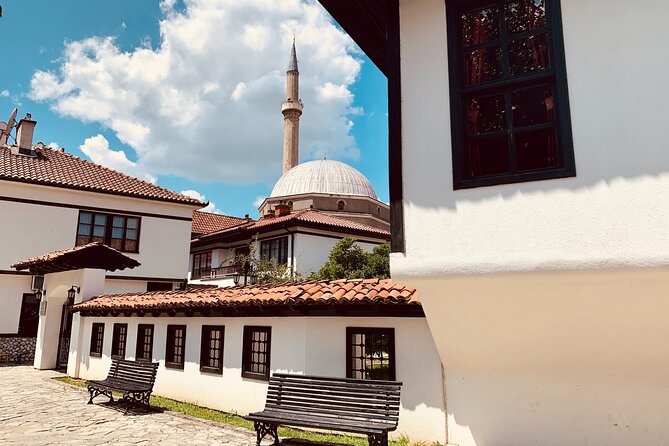
On day four, Mrizi i Zanave provides one of the tour’s most distinctive visits. This slow-food farm uses regional products and preserves local food traditions. You tour the property, hear how the family business developed, and see how old communist buildings were adapted for storage.
The farm has created jobs for more than 400 people in the surrounding area, giving the visit an economic side as well as a culinary one. You have free time for a traditional lunch or to buy fresh products, but lunch is not part of the tour price.
Later, you reach Shkoder, one of Albania’s oldest cities. It sits near Lake Shkoder, the largest lake in the Balkans, and has long served as a meeting point for different cultures and trading routes. The city’s Venetian influence is visible in its architecture, while local mask-making is associated with the February carnival.
Rozafa Castle is the key visit. From its hilltop position, you can see the lake and the point where three rivers flow toward the Adriatic. The scenery is a welcome change after several days of town centers and fortresses.
Montenegro’s coast: Sveti Stefan, Budva, and Kotor
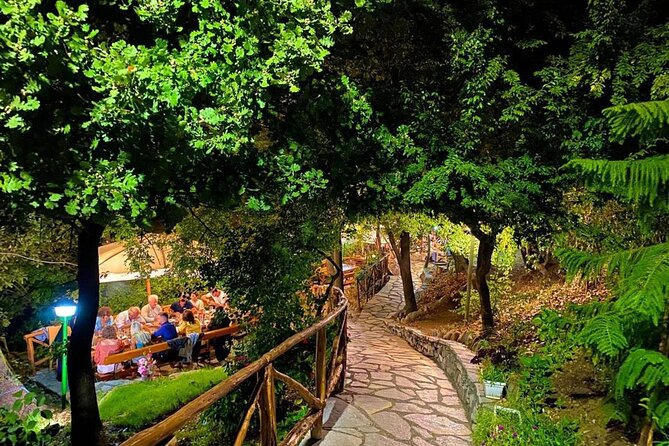
Day five brings the Adriatic. The first stop is a viewpoint near Sveti Stefan, once a fishing village on a small island. The island is now an exclusive residential resort and cannot be visited as part of this tour, but the coastal view makes a worthwhile photo stop.
Budva combines a modern resort area with an older walled center. The tour focuses on Old Budva, where you see medieval buildings and churches such as St. Ivan and St. Mary. You will have less time here than you might want if you enjoy beach towns, shopping, or long café stops, but the walk gives you the main feel of the place.
Kotor receives about two hours, making it one of the fuller city visits. Its UNESCO-listed old town is formed by narrow cobbled lanes, churches, and old buildings with plaques explaining their construction and former use. Saint Luke’s Church is included, and its meaning as a symbol of unity adds a local human detail to the architecture.
Kotor is easy to enjoy on foot, but the stone streets can be uneven. If you want to climb beyond the main old town, check with the tour leader about available time, since the scheduled visit centers on the lower historic area.
Mostar and Blagaj: bridges, memory, and the Buna spring
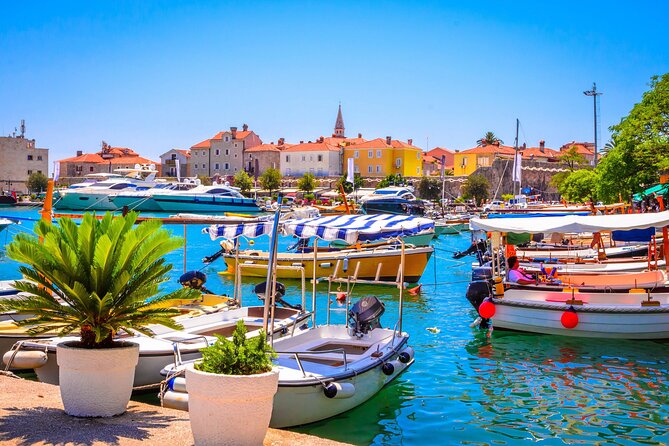
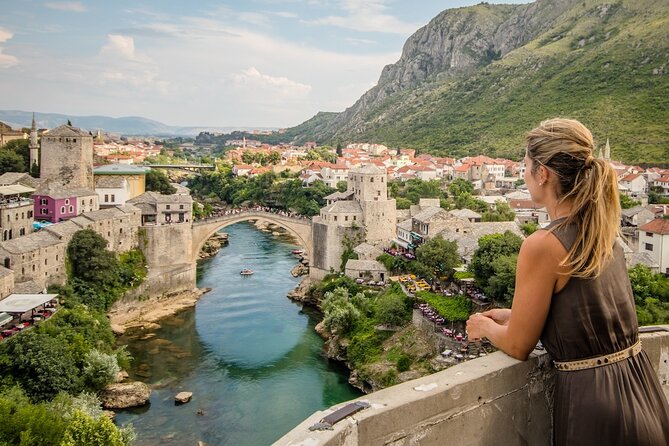
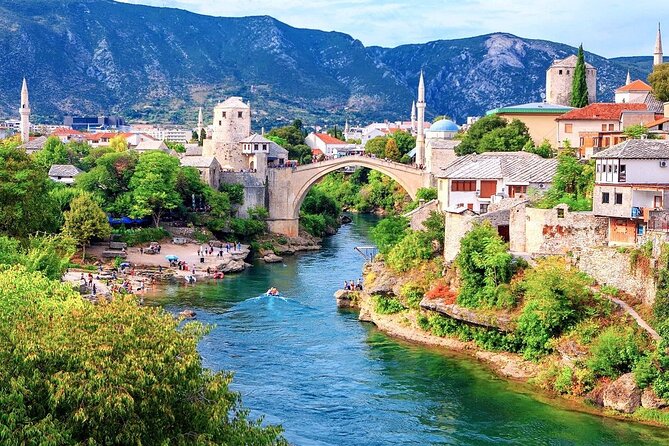
On day six, you cross into Bosnia and Herzegovina and head for Mostar. The Old Bridge, or Stari Most, is the main event. Built in the sixteenth century in an Islamic architectural style, it is part of the UNESCO-listed old city and links the two sides of Mostar across the river.
The surrounding old bazaar has colorful streets, Turkish-style shops, mosques, and cobbled lanes. Stones marked with Don’t Forget recall the city’s wartime destruction, so this is not just a pretty bridge stop. The old center asks you to look at both the restored architecture and the reminders of what was lost.
Blagaj adds a quieter setting. The Ottoman-era town sits below a cliff beside the clear spring of the Buna River, with a historic tekija, or monastery, nearby. The combination of water, rock, and religious architecture gives the afternoon a different rhythm from Mostar’s busy central streets.
You then have free time in Mostar. Use it for a meal, a slower walk through the bazaar, or a second look at the bridge. Since lunch and dinner are not included, Mostar is also a practical place to budget for one of your main meals.
Sarajevo: Ottoman streets and the story of World War I
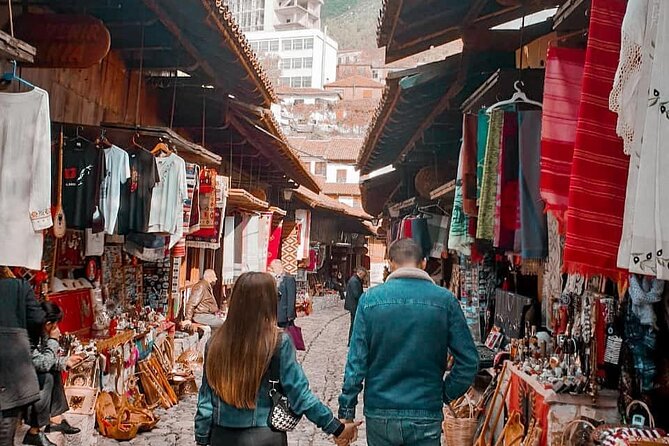
Day seven begins with the drive from Mostar to Sarajevo. The walking tour covers the Ottoman and Austro-Hungarian parts of the capital, along with markets, religious buildings, and streets that still show bullet holes and cannon marks from the Yugoslav war.
You also learn about Sarajevo’s origins and the medieval Bosnian kingdom. The city’s importance comes from its layers. You can move from a market shaped by Ottoman trade to European-style buildings and then encounter mosques, churches, and synagogues within the same broad urban area.
The Latin Bridge is included because of its link to the assassination of Archduke Franz Ferdinand, an event that helped trigger World War I. The bridge itself is modest, but the story attached to it gives the stop unusual weight.
The Sarajevo walk includes uneven ground and visits to areas with war damage, so sturdy shoes are sensible. You have free time afterward for traditional meat dishes and desserts in the old town. This is one of the best places on the route to choose your own meal, though you will pay separately.
The final transfer to Dubrovnik or Split
Day eight is mainly a transfer day. Your tour leader takes you to the Croatian border, where a local driver continues to your hotel in either Dubrovnik or Split.
This arrangement matters because the tour does not simply stop at the border. Transport is organized through the final handoff, but you should confirm your chosen Croatian destination when booking, since Dubrovnik and Split are different endings with different onward travel plans.
The route is useful if you want to pair an overland Balkan trip with a stay on the Croatian coast. It is less suitable if you need a full sightseeing day in Dubrovnik or Split, since the itinerary finishes with hotel drop-off rather than a city tour.
What the $2,754.29 price covers
The price is high at first glance, but it includes a lot of the costly structure of a multi-country trip. You receive private transport, a professional tour leader, hotel pickup in Tirana, hotel drop-off in Dubrovnik or Split, seven breakfasts, 3-star accommodation, listed entry tickets, tourist taxes, petrol, road taxes, and international car insurance.
The accommodation price is based on double, twin, triple, or quadruple occupancy. If you are traveling alone, confirm how the room arrangement and any single supplement work before paying.
The value is strongest if you want one company to handle the vehicle, border route, hotels, and daily transitions. It is weaker if you prefer choosing your own rooms, lingering several nights in one place, or eating included meals at higher-end restaurants.
Plan extra money for every lunch and dinner, drinks, snacks, souvenirs, and personal expenses. Tips are not required in Albania or the Balkans, though the operator recommends tipping good service as an international custom.
Who should book this experience?
I would choose this tour if you want a guided overview, enjoy changing scenery, and would rather spend your time walking old centers than working out cross-border transport. It suits couples, friends, and small groups who value a local tour leader and a clear route.
It also works well for people who want more than postcard views. Bunk’Art 2, the Decan Monastery, Sarajevo’s war marks, Mostar’s memorial messages, and Mrizi i Zanave give the journey real substance.
I would hesitate if you dislike early starts, long road transfers, or short visits. The schedule is full, and the non-refundable policy means you should be certain before booking. Most people can participate, but Sarajevo includes uneven terrain and several old towns have cobbled streets and hills.
The guide team associated with the experience includes Besa and Sirma. Their role is important on a route like this, where historical context and border logistics can shape the day. The strongest praise connected to the experience focuses on friendly help, personal stories, and guides who make the history easier to follow.
Should you book it?
Book this tour if your goal is to see a large slice of the Balkans in eight days with transport and core admissions arranged. The food stops, small group, Prizren, Kotor, Mostar, and Sarajevo give it more character than a simple highlights bus route.
Skip it if you want a slow holiday, substantial beach time, or several full days in Dubrovnik or Split. For the right traveler, the price buys convenience and range. Just accept that the route is fast, bring good walking shoes, and budget separately for most meals.
FAQ
How long is the tour?
The tour lasts approximately eight days, beginning in Tirana and ending with hotel transfer in Dubrovnik or Split.
Where does the tour start?
It starts in Tirana, Albania, with a scheduled start time of 9:00 a.m. Hotel pickup in Tirana is included.
Where does the tour end?
You can finish with a hotel transfer in either Dubrovnik or Split in Croatia. The tour leader takes you to the Croatian border, and a local driver continues the transfer.
How large is the group?
The maximum group size is 10 participants.
Are hotels and breakfasts included?
Yes. The price includes accommodation in 3-star hotels and seven breakfasts. Room pricing is based on double, twin, triple, or quadruple occupancy.
Are lunch and dinner included?
No. Lunches, dinners, drinks, snacks, souvenirs, and personal expenses are not included.
Do I need travel insurance?
Yes. Each participant is responsible for arranging personal health and travel insurance. The included international car insurance covers the tour vehicle, not your personal travel needs.
Just added in Tirana
- From Tirana Wine Tasting & Food tour in Berat★ 5.0 · 5 reviews
- Berat Cooking Class- Traditional Albanian Cooking Class★ 5.0 · 9 reviews
- Wine Tasting day in Berat (Visit to the Berat Castle & Lunch included)★ 4.5 · 6 reviews
- UNESCO heritage in Albania – 4 days★ 5.0 · 3 reviews
- Wine Tasting & Vineyards Escape near Tirana★ 5.0 · 18 reviews
- Shen Gjergji Waterfall & Tirana Sunset Included Dinner★ 5.0 · 9 reviews
- Private Transfers from Tirana International Airport to Sarandë★ 4.5 · 3 reviews
- Visit Vlore & Himare Beaches includes lunch★ 4.5 · 13 reviews
Balkan Multi-Country Tours, compared.
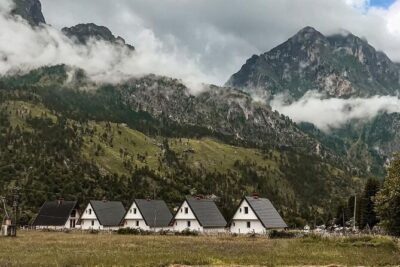
Self-guided: Peaks of the Balkans Tour in 8 days
Read our review →Private Transfer Tirana Airport to cities in Albania &the Balkans
Read our review →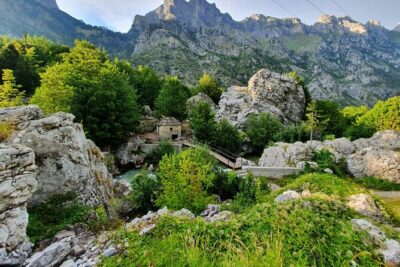
Peaks of the Balkans Tour: Theth, Valbona & Koman Lake in 5 days
Read our review →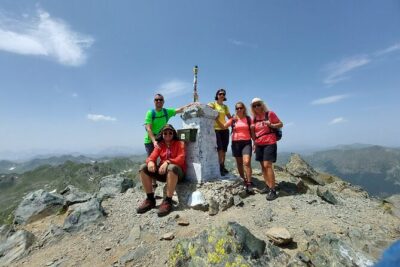
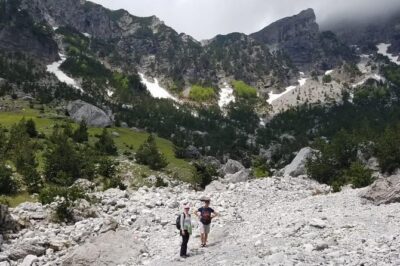
Small Group Hiking Tour; Peaks of the Balkans Trail in 7 Days
Read our review →
Semi-Private Hiking Tour; Peaks of the Balkans in 10 days
Read our review →
Small Group Tour; The Balkans & Central Europe – Tirana to Vienna
Read our review →Browse the lists this tour appears in