
Reviewed · UNESCO HERITAGE TOURS
UNESCO Heritage Sites in Albania on 3 day tour
Butrint’s ancient ruins, Gjirokastër’s stone streets, and Berat’s white Ottoman houses give this tour a fine sweep of Albania’s past. I like the way it joins two established UNESCO sites with Apollonia and Durres, places that add useful context to the country’s Greek, Roman, Byzantine, and Ottoman eras. I also like the private format, since guides such as Zeni and Skerdi can keep the day friendly and flexible.
The catch is the pace. You cover a lot of ground, including a drive of almost four hours from Tirana to Butrint on the first day. Lunches and dinners are not included, and some stops receive only an hour or two, so this suits you best if you prefer a broad first look over a slow, deeply detailed visit.
Key things to know before booking
- Butrint is the star of the southern day: Ancient ruins sit inside a national park near Saranda and Ksamil.
- Gjirokastër combines a hilltop castle with Ottoman streets: The Bazaar and fortress give you the clearest sense of the city’s character.
- Berat rewards a climb: Its castle quarter contains churches, mosques, old homes, and views over the town.
- Apollonia adds a quieter archaeological stop: Nature and ruins share the site, with admission included.
- Durres keeps the final day easy: You stroll beside the sea and visit a Roman amphitheater before returning to Tirana.
- The $520.40 price buys private transport and a guide: Entrance fees for Butrint and Apollonia are included, but meals are extra.
Why this three-day route works
Albania is compact on a map, but its mountain roads and coastal routes make travel times longer than you may expect. This tour handles the driving for you and links several major cultural sites without asking you to arrange separate transport between them.
I like the route because it does not treat Albania as one single historical period. Butrint shows ancient Greek and Roman influence. Gjirokastër and Berat reveal Ottoman and Orthodox traditions. Apollonia adds another ancient center, while Durres brings in the Roman world and modern coastal life.
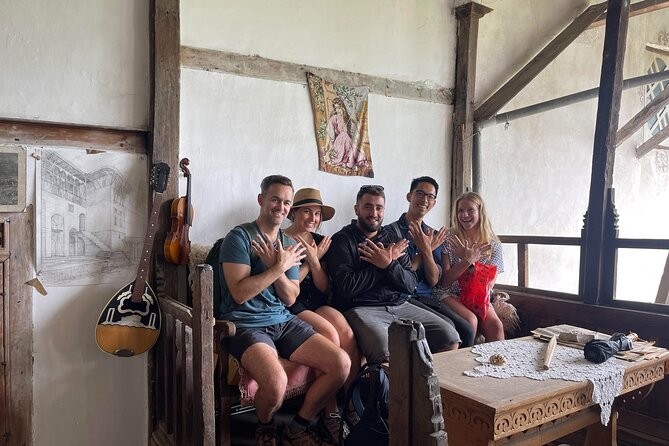
The private format matters here. Only your group takes part, and pickup is offered from Tirana. Guides named in the customer comments include Zeni and Skerdi. Their role is especially useful at places such as Butrint and Gjirokastër, where a pile of old stones becomes far more meaningful when you understand what you are seeing.
Still, this is a sightseeing circuit, not a relaxed village holiday. The first day is long, and several visits are short. If you want time for beaches, long meals, or quiet photography, you may feel rushed. If you want to see a wide range of Albania in three days, the route is well judged.
Other heritage days out of Tirana:
- Berat city UNESCO tour, the Castle & Belshi lake- From Tirana
★ 5.0 · 804 reviews - From Tirana: Berat UNESCO & Belshi Lake Full-Day Tour
★ 5.0 · 118 reviews - Gjirokastra UNESCO & Ksamil Beach – From Tirana/Durres/Golem
★ 5.0 · 117 reviews
Day one: Butrint after the long southern drive
The tour starts at 9:00 am in Tirana. The drive to Butrint takes almost four hours, including short breaks. You pass some of Albania’s best-known coastal areas, including Saranda and Ksamil, before reaching Butrint National Park.
That travel time is the main issue to consider. You spend much of the morning in the vehicle, though the changing views and coastal route help break up the journey. The tour uses an air-conditioned vehicle, a practical comfort in Albania’s warmer months.
Butrint is worth the effort. The archaeological park combines ancient remains with a setting of trees, water, and open views. You have about one hour there, with the entrance fee included. That is enough for a focused introduction, but not enough to inspect every feature at a slow pace.
You can expect a site shaped by several civilizations rather than one neatly preserved city. The appeal comes from the relationship between the ruins and the surrounding national park. I like this stop because it gives you both archaeology and scenery, rather than leaving you in a bare excavation zone.
Your guide can help point out the significance of the remains and explain how Butrint fits into Albania’s wider past. Make good use of that time by asking questions as you walk. With only an hour, a guided explanation is more useful than trying to absorb every monument alone.
Saranda brings a seaside pause
After Butrint, the route pauses in Saranda for about an hour. This is a port city with a waterfront promenade, and the stop gives you a chance to sit down for lunch beside the sea.
Lunch is not included, so you should budget separately for it. The tour price covers the vehicle, taxes, and the stated entrance fees, but not meals. Saranda is a sensible place for a break after the long morning drive, though the one-hour stop leaves limited time for a leisurely meal and a proper look around.
I see this as a useful reset rather than a major sightseeing stop. You can enjoy the promenade, eat, and prepare for the road to Gjirokastër. The coastal setting also gives the day a welcome change of mood after Butrint’s ancient ruins.
Gjirokastër: stone streets and a hilltop fortress
After lunch, you continue to Gjirokastër, one of Albania’s UNESCO World Heritage cities. The town climbs the side of Mount Gjere, with the old center set high above the valley.
Gjirokastër is often called a museum city because its Ottoman-era center remains remarkably well preserved. Its stone construction gives the town a distinctive look, but the steep streets also demand comfortable shoes. This is not a flat walking tour.
The planned visit lasts about two hours, including the Bazaar and Gjirokastër Castle. That is enough to get a strong sense of the old town, though you will need to choose between lingering over details and keeping to the schedule.
The Bazaar is a natural starting point. Its main square is named for Cerciz Topulli, an Albanian patriot of the 19th century. Cobblestone streets run down from the castle toward the square, creating a clear route through the old center.
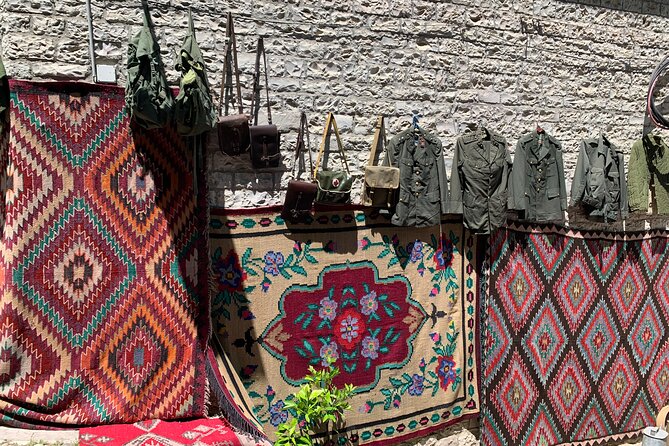
The market area dates to the 17th century and once served as the city’s commercial and social center. Goods changed hands here, but so did news and gossip. Today, the value is less about shopping than about seeing how the old town is arranged around its central meeting place.
You have only about 15 minutes specifically assigned to the Bazaar, so do not expect an extended shopping visit. Use the time to take in the stone buildings, look up toward the castle, and get your bearings before the fortress visit.
A few more things to do in Tirana worth a look
- Tirana Walking Tour: History, Culture &Gems by a Passionate Guide
★ 5.0 · 52 reviews - Semi – Private Tour at Cape of Rodon; Hidden Beaches & History
★ 5.0 · 46 reviews - Walking tour of Tirana; History & Culture
★ 5.0 · 37 reviews - Berat Cultural Tour by 1001 Albanian Adventures
★ 5.0 · 26 reviews
Gjirokastër Castle gives the best view
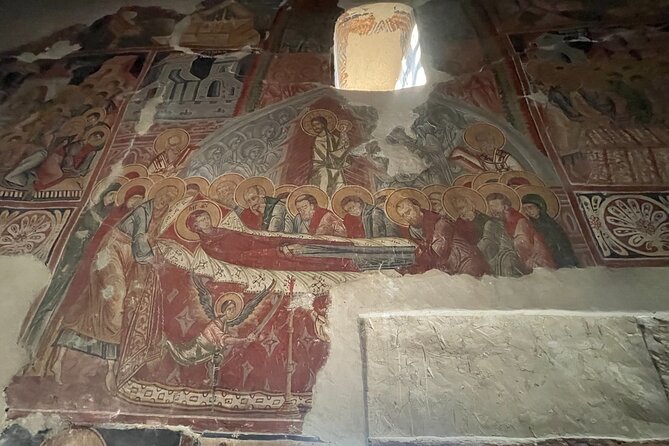
The castle sits above the town and is reached by walking up from the Bazaar. The fortress is tied to the legend of Argjiro, a young princess who sacrificed herself, and is often called the Crown of the City.
Its walls and buildings reflect many periods of use. The fortress was renovated substantially in the 19th century and later served as both a military stronghold and a prison under different governments. That layered past makes it more than a viewpoint.
You have about 30 minutes inside, with admission included. The visit is short, but the position above Gjirokastër is excellent. You can look across the town and the valley while seeing how the old settlement developed around its high defensive point.
This is one place where your guide’s stories can make a real difference. Zeni and Skerdi are both named as guides for this experience, and the strongest praise directed at the guiding focused on clear explanations, friendly manners, and bringing Albanian history to life.
The limitation is simple: a fortress deserves more than half an hour if you enjoy military architecture or local history. Treat this as a concentrated visit, not a full castle study.
Day two: Apollonia’s ruins in a quiet setting
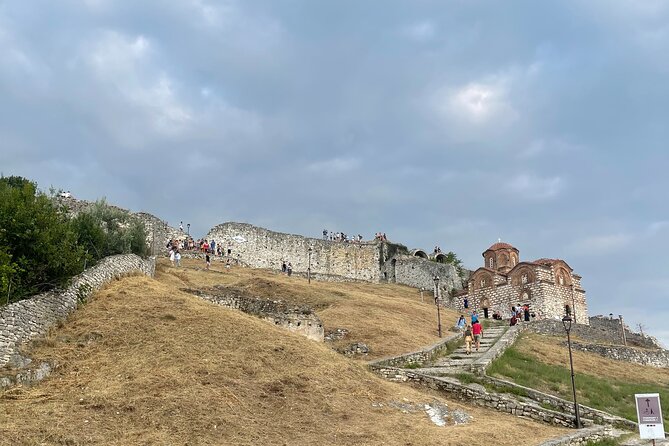
The second day begins with Apollonia Archaeological Park in southwestern Albania, about 13 miles from Fier. The site is known for the way its ancient remains sit among open natural surroundings.
Admission to Apollonia is included in the tour. You have about an hour to walk through the park and take in its monuments. The setting gives the visit a calmer feel than a dense city center, and the combination of ruins and open space makes it easy to pause and look around.
Apollonia is also important because it is presented as a possible future addition to Albania’s UNESCO list. It does not carry the same UNESCO status as Butrint, Gjirokastër, or Berat, but it helps you see the wider range of sites that may shape Albania’s heritage story in years ahead.
The one-hour stop calls for sensible expectations. You will see the main character of the park and hear its historical importance, but you will not have time for a slow archaeological survey. I would stay close to the guide at the start, then use any remaining minutes for photographs and a quiet look at the setting.
Berat and the City of a Thousand Windows
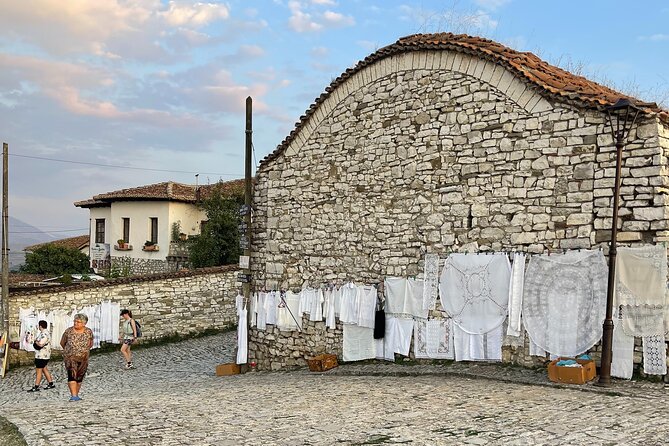
From Apollonia, the route continues to Berat, known as the City of a Thousand Windows. Berat has been on the UNESCO World Heritage list since 2008 and has a history stretching back more than two thousand years.
The town’s identity comes from its old homes climbing the slopes, their windows facing outward across the valley. The effect is especially clear from the opposite side of the town or from higher ground, though this tour focuses on the historic districts and castle quarter.
You have around two hours for Berat, followed by about an hour at Berat Castle. The schedule allows a solid introduction, but the streets and buildings reward a slower pace. Wear shoes suitable for uneven surfaces and uphill walking.
The castle, known locally as Kalaja, is the oldest district of Berat. It is unusual because people still live there, giving the area a more natural feel than a preserved site with no daily life.
Inside the castle quarter, you find a notable group of Christian Orthodox churches, including examples dating to the 14th century. Ottoman mosques also form part of the wider historic setting. This mixture is one of the best reasons to visit Berat: religious buildings from different traditions share one compact old district.
A local guest house may offer you traditional gliko and Turkish coffee. Gliko is a sweet preserve often served in small portions, and the coffee provides a simple way to connect the visit with local hospitality. This is not a full meal, so you still need to plan for lunch or dinner separately.
The castle walls date largely to the 13th century, though the site has older roots. From the hilltop, you get a clear view over Berat and the surrounding valley. The climb is part of the experience, but it can be tiring if you are not used to steep streets.
Day three: Roman history and a return to Tirana
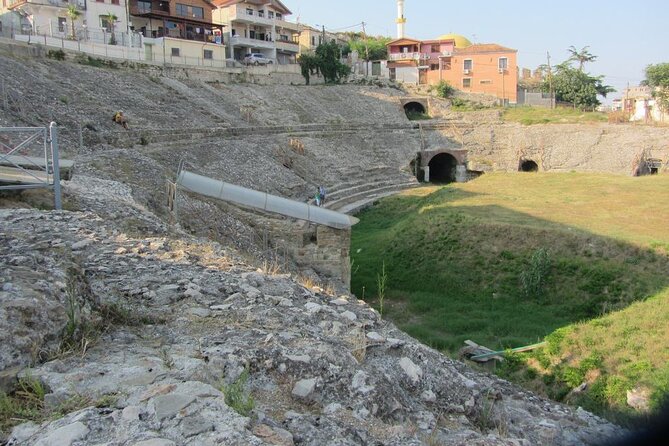
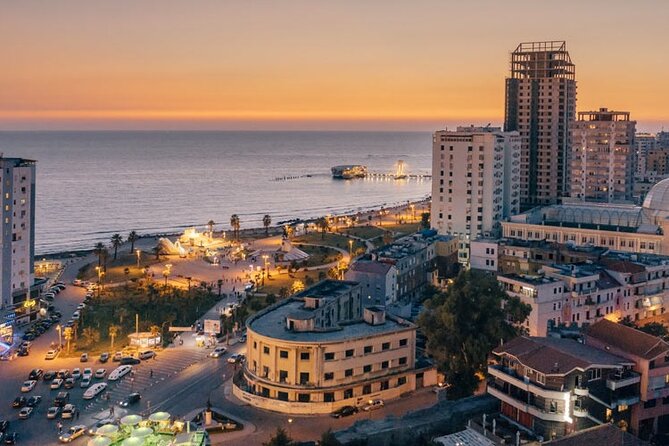
The final day takes you to Durres, Albania’s coastal city. You have about an hour to stroll along the main promenade and visit the ancient amphitheater.
Durres gives the tour a different finish. After two days focused on hill towns and archaeological parks, you return to the coast and see a city where daily life continues around major historic remains.
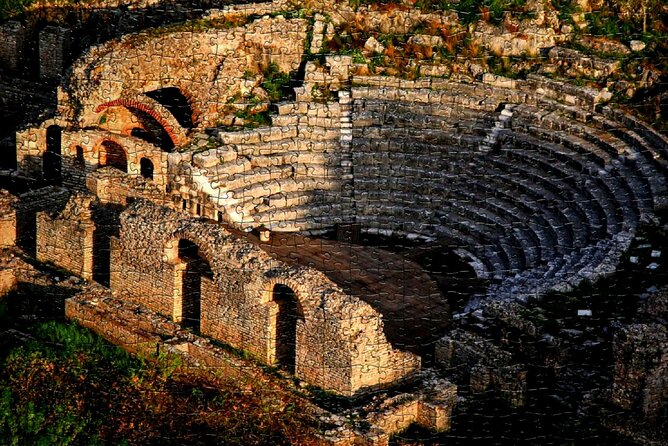
The amphitheater is associated with Roman gladiatorial contests. Its scale and age help explain the importance of Durres in the ancient world, while the nearby sea keeps the stop from feeling like an isolated monument.
Again, one hour means you should keep your visit focused. You can walk the promenade, see the amphitheater, and listen to the guide’s explanation, but you should not expect a long independent exploration of the city.
After Durres, the vehicle returns to Tirana, where the tour ends. That final transfer makes the route practical if you are using Tirana as your base and want to finish close to the capital rather than arrange another return journey.
What the $520.40 price includes
At $520.40 per person, this is not a budget bus tour. The value comes from having private transport, an air-conditioned vehicle, a guide, and a route that would be difficult to manage independently in only three days.
The price includes all fees and taxes, plus entrance fees for Butrint and Apollonia. The tour information also lists admission as included for Gjirokastër Castle. Lunches and dinners are extra, so leave room in your budget for meals in Saranda, Berat, and elsewhere along the route.
The value is strongest for you if you want convenience and historical context. Renting a car would give you more control, but you would need to handle Albania’s long drives, unfamiliar roads, parking, and timing yourself. This tour removes those tasks.
The value is weaker if you already have transport and prefer to spend half a day at each site. You are paying for coverage and guidance, not long stays at every monument.
Who should book this tour?
I would recommend it to first-time visitors who want to see several of Albania’s major cultural sites in a short break. It suits couples, families, and private groups who like having a guide but do not want to join a large shared coach.
It is also a good fit if names, dates, and historical connections help you understand a place. The guides are repeatedly praised for their friendly manner, clear explanations, and enthusiasm for Albanian culture. Zeni and Skerdi are the named examples associated with the experience.
Think twice if you dislike long vehicle journeys or steep old-town streets. The first day is especially demanding, and the stops are timed for a broad overview. You should also be comfortable paying for your own meals and handling a busy schedule.
Free cancellation is available if you cancel at least 24 hours before the start time. Changes or cancellations made inside that window are not refunded, and bookings made within three days of travel may take up to 48 hours to confirm, subject to availability.
FAQ
Where does the tour start?
The tour starts in Tirana, with pickup offered. The stated start time is 9:00 am.
How long does the tour last?
The experience lasts approximately three days and ends in Tirana after the visit to Durres.
Is this a private tour?
Yes. Only your group takes part in the activity.
Is transportation included?
Yes. An air-conditioned vehicle is included, along with the necessary tour fees and taxes.
Which entrance fees are included?
Entrance fees for Butrint and Apollonia are included. Admission to Gjirokastër Castle is also listed as included in the stop details.
Are meals included?
No. Lunches and dinners are not included in the price.
How long is the drive from Tirana to Butrint?
The drive takes almost four hours, including short breaks.
Can most people participate?
Yes. The tour information says most travelers can participate, and service animals are allowed.
What is the cancellation policy?
You can cancel up to 24 hours before the experience starts for a full refund. Cancellations or changes made less than 24 hours before the start time are not accepted for a refund.
My booking call
Book this tour if you want a strong first look at Albania’s major heritage sites and prefer a private guide to handle the long transfers. Butrint, Gjirokastër, and Berat give you the most memorable stops, while Apollonia and Durres round out the country’s ancient story.
Skip it if you want slow mornings, long meals, or several hours at each site. For a three-day cultural circuit from Tirana, though, the route offers a useful mix of ruins, castles, hill towns, coastal views, and local food, with enough guide support to make the history easier to follow.
Just added in Tirana
- From Tirana Wine Tasting & Food tour in Berat★ 5.0 · 5 reviews
- Berat Cooking Class- Traditional Albanian Cooking Class★ 5.0 · 9 reviews
- Wine Tasting day in Berat (Visit to the Berat Castle & Lunch included)★ 4.5 · 6 reviews
- UNESCO heritage in Albania – 4 days★ 5.0 · 3 reviews
- Wine Tasting & Vineyards Escape near Tirana★ 5.0 · 18 reviews
- Shen Gjergji Waterfall & Tirana Sunset Included Dinner★ 5.0 · 9 reviews
- Private Transfers from Tirana International Airport to Sarandë★ 4.5 · 3 reviews
- Visit Vlore & Himare Beaches includes lunch★ 4.5 · 13 reviews
UNESCO Heritage Tours, compared.
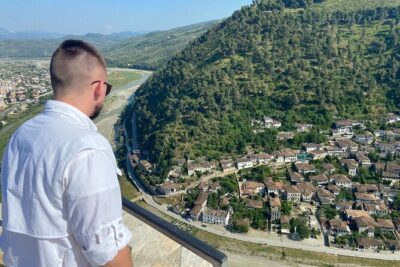
Berat city UNESCO tour, the Castle & Belshi lake- From Tirana
Read our review →
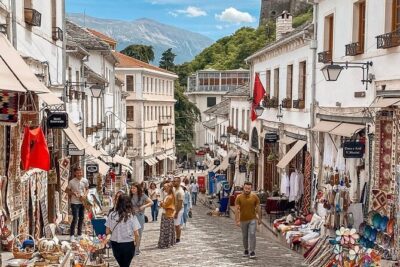
Gjirokastra UNESCO & Ksamil Beach – From Tirana/Durres/Golem
Read our review →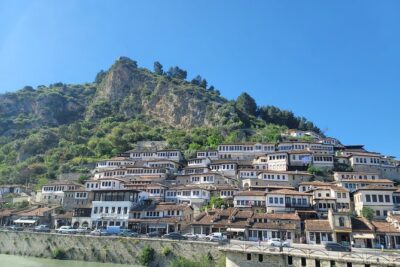
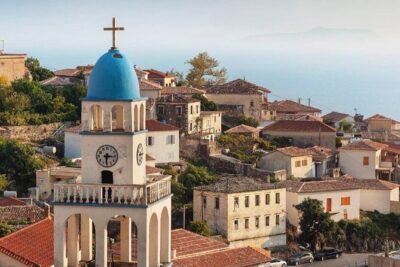
Small Group Tour; Pearls of Albania in 8 Days (3 UNESCO Sites)
Read our review →
Ancient City of Butrint, UNESCO World Heritage site – A Must
Read our review →
Berat Day Tour: Explore Albania’s UNESCO City from Durres
Read our review →
Day Trip To Berat,UNESCO Heritage with Tirana Day Trips
Read our review →Browse the lists this tour appears in