
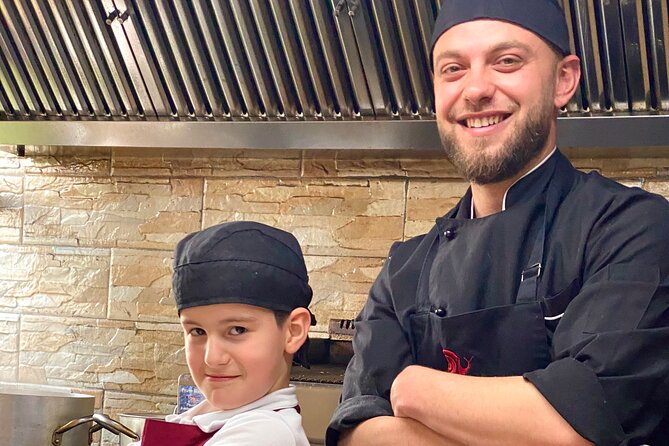
Reviewed · COOKING CLASSES
Cooking Class
Gjirokaster’s food traditions come alive in this hands-on class, where you prepare qifqi rice balls, OSA pasta with lamb, and hasude dessert before sitting down to eat. I like the private format and the chance to learn recipes that are tied to local family cooking, not just watch a demonstration. I also like that you receive written recipes and take-home food.
The main caution is organization. The meeting address has caused confusion, and the host may not immediately have your booking details. Contact Edua.gjirokaster before you arrive, especially if your schedule is tight. English help is available, but the cook herself may communicate through a family translator.
Key points to know before booking
- Three traditional dishes: Qifqi, OSA pasta with lamb, and hasude give you a full starter, main course, and dessert.
- Private instruction: Only your group participates, so you can ask questions and work at your own pace.
- Bazaar setting: The class takes place at Edua restaurant in the heart of Gjirokaster’s medieval bazaar.
- Family cooking traditions: You learn about inherited recipes, spices, teas, folklore, and local food customs.
- Food included at the end: You eat the dishes you prepare, with traditional appetizers and drinks included in the experience description.
- Allow extra coordination time: Some bookings have not been known to the host immediately, and the listed address may be inaccurate.
Cooking Gjirokaster’s oldest recipes
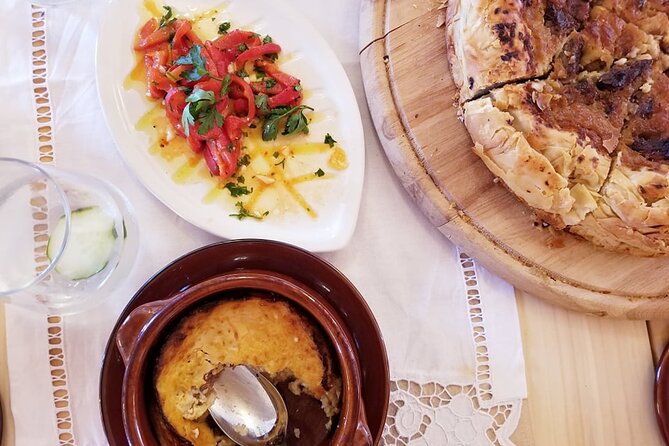
You cannot make much sense of Gjirokaster without trying its food. The town’s cooking is practical, home-based, and shaped by recipes passed from one generation to the next. This class gives you a useful way into that tradition because you are not simply served a plate. You handle the ingredients, follow the method, and then eat the result.
The menu covers three parts of a meal. You begin with qifqi, small rice balls that are closely associated with Gjirokaster. The main course is traditional OSA pasta with lamb meat, described as artisanal pasta. Dessert is hasude, made with starch, butter, and walnuts.
That combination matters. You get a taste of the local table, but you also leave with dishes you can attempt at home. None of the recipes is presented as restaurant-only food requiring specialist equipment. The appeal is their connection to ordinary family kitchens and old local methods.
I like this kind of class for a first visit because food offers context without requiring a long lecture. As you work, the family shares local history and folklore, along with the uses and benefits of mountain spices and teas. The conversation helps explain why ingredients and techniques matter.
More food experiences in Gjirokaster:
- Vegetarian Cooking Class @Teta Marjeta
★ 5.0 · 11 reviews - Cooking Classes and Traditional food tasting in Tirana
★ 5.0 · 282 reviews - Traditional Albanian Cooking Class in Tirana with Raki Tasting
★ 5.0 · 125 reviews
Starting in the medieval bazaar
The meeting point is on Rruga Gjin Shpata, in the center of Gjirokaster’s medieval bazaar. The activity ends at the same place, so you do not need to arrange a second pickup or find your way across town afterward.
The setting is one of the strongest parts of the experience. You are cooking in the old commercial center rather than in a detached school built only for visitors. The open-door welcome and family-run atmosphere are meant to feel informal and domestic.
Still, give yourself time to locate the venue. The address attached to the booking has been reported as incorrect, with Edua restaurant serving as the actual location. The restaurant can be found in the bazaar, but it is wise to contact the provider before the class. A quick WhatsApp message may help, although you should not assume every follow-up message will receive a prompt reply.
The meeting point is near public transport, and you can find it without arranging private transportation. The experience is offered in English, but language support may be shared among family members. One practical detail is important: the chef may not speak English directly, so a relative may translate while you cook.
That arrangement can make the class feel less polished than a large commercial cooking school. It can also give you a closer look at how cooking is actually taught in a family setting. Instructions may be shown step by step, with some translation and hands-on demonstration rather than a formal scripted lesson.
Preparing qifqi rice balls
Qifqi is the natural starting point because it introduces one of Gjirokaster’s best-known local foods. You learn how to prepare the rice mixture, season it, and shape it into small balls before cooking.
The exact technique is where the class earns its keep. A recipe card can list ingredients, but it cannot always show the feel of the mixture or the right size for each piece. Here, you can watch the process and copy it directly. If you are eager to begin, remember to let the cook finish each instruction before taking over. One participant found the process so engaging that it was easy to get ahead of the explanation.
Qifqi also works well as a starter because it is manageable for a beginner. The class is not built around difficult restaurant techniques. You learn a traditional food that should be possible to repeat at home, which gives the session lasting value.
The family’s secret ingredient is part of the storytelling. Do not expect a polished culinary-school lecture or a precise scientific explanation of every step. Expect a personal account of what has been passed down through the family, along with practical guidance as you prepare the food.
Making OSA pasta with lamb
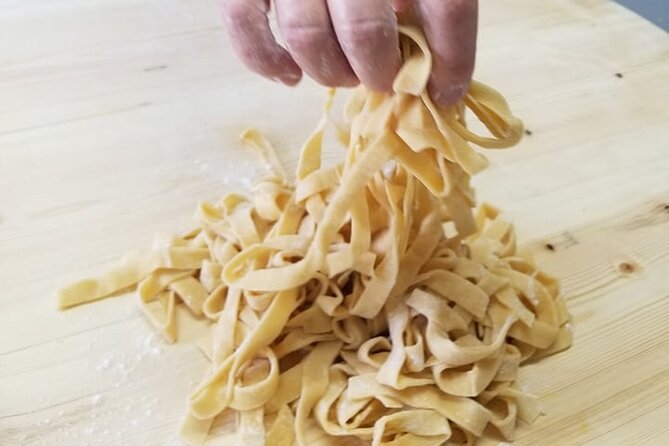
The main course is traditional OSA pasta with lamb meat. You work with artisanal pasta and learn how this dish is prepared, then combine it with the lamb-based component.
This is likely the most distinctive part of the class. Pasta is familiar to most people, but local shapes, textures, and cooking methods can vary greatly. The value is in seeing how a regional household turns simple ingredients into a substantial meal.
The pasta lesson also shows why the class should not be judged only by its duration. The advertised time is about two hours, but some sessions have lasted closer to an hour. That shorter format may still be satisfying if the focus remains on preparing the main dish and eating it afterward. If you are booking specifically to learn all three recipes, confirm the full menu before arrival.
One person was told the class had ended after making the OSA pasta, despite expecting qifqi and hasude as well. That is a serious point to clarify. The intended menu includes all three dishes, but communication between the booking system and the host has not always been perfect.
Same base, a different sort of day:
- Rafting Vjosa River Gjirokastër Albania ARG
★ 5.0 · 199 reviews - Amazing Horse Riding Experience at Vjosa National Park in Permet
★ 5.0 · 199 reviews - Rafting Tour in Vjosa Wild River National Park
★ 5.0 · 100 reviews - Amazing Rafting Experience at Last Wild Vjosa River of Europe in Permet, Albania
★ 5.0 · 60 reviews
Finishing with hasude and a shared meal
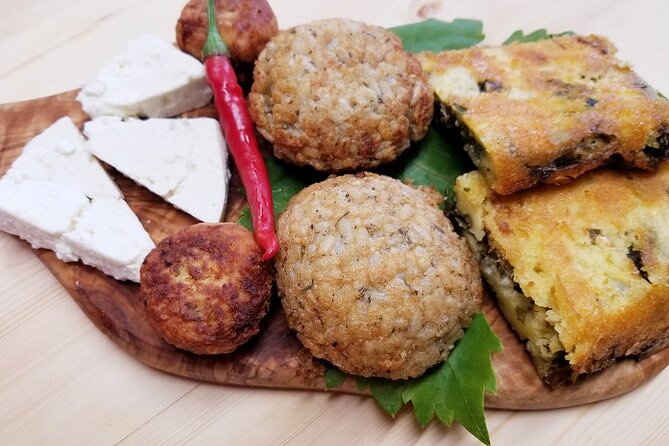
Hasude provides a simple finish to the lesson. The dessert uses starch, butter, and walnuts, and it is another example of a dish built from familiar pantry ingredients rather than costly products.
Making dessert in the same class gives you a complete meal from beginning to end. You are not just practicing one dish and then leaving. You sit down afterward and eat what you have prepared, along with traditional appetizers and drinks described as part of the experience.
Drink details deserve a little care. The experience includes various drinks, but one account says wine and beer were charged separately even though drinks appeared to be included during booking. If a glass of wine matters to your budget, ask exactly what is included before you start.
The meal is also a chance to slow down and talk. Food preparation is mixed with local history, family customs, mountain herbs, and folklore. That conversation is one reason I would choose this class over a standard restaurant meal if you want a more personal introduction to Gjirokaster.
Private attention, with a family feel
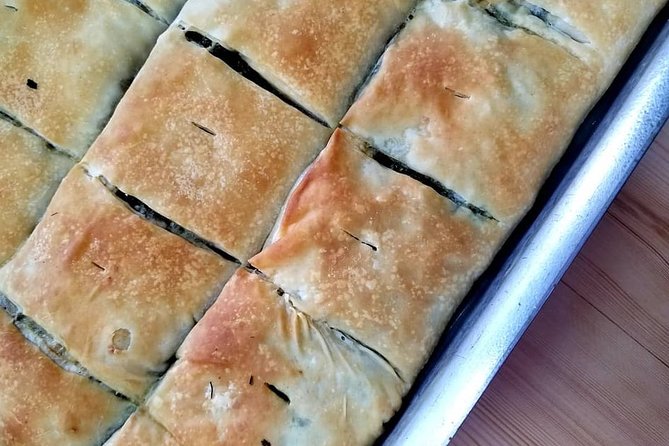
This is a private activity, so only your group participates. That is useful if you want to ask basic questions, need extra time with a technique, or prefer not to cook in front of strangers.
A private class also makes the language issue easier to handle. You can pause, watch a demonstration again, and use a family translator when needed. The tradeoff is that the experience may feel informal and lightly organized rather than carefully managed from a central office.
The strongest praise is directed at the warmth of the people and the hands-on nature of the lesson. You can expect laughter, personal attention, and a welcoming atmosphere once the class is underway. The cooking itself is not presented as difficult, making this a good choice for beginners, couples, families, and anyone who wants to learn rather than simply eat.
The class may be less suitable if you want advanced knife skills, professional kitchen training, or a tightly timed culinary program. It is a local food experience built around family recipes, not a technical course.
Is $54.19 a fair price?
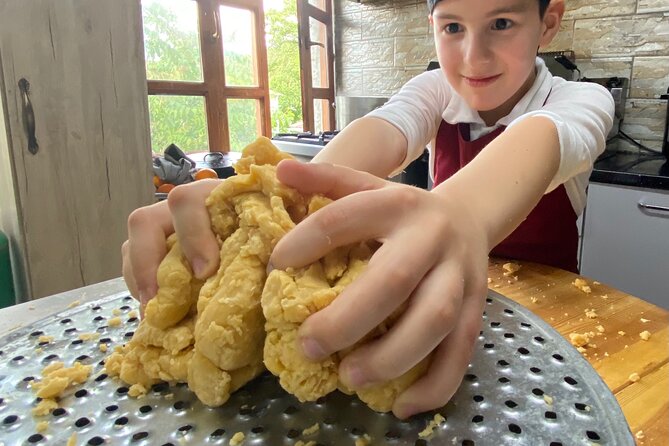
At $54.19 per person, this costs more than simply ordering qifqi, pasta, or dessert at an Albanian restaurant. The price needs to be judged as a package: private instruction, ingredients, the meal you prepare, traditional appetizers, drinks as described, cultural conversation, written recipes, and food to take home.
For a private two-hour activity, that can be reasonable if the full menu is delivered. You are paying for personal attention and access to family methods, not just for the ingredients on the plate. The written recipes also give the experience value after you leave Albania.
The calculation becomes less favorable if the session is much shorter, only one dish is prepared, or drinks cost extra. That is why I would confirm the schedule, menu, and included beverages before committing. The price is easiest to justify when you receive qifqi, OSA pasta, and hasude, then sit down to enjoy the complete meal.
Compared with a normal meal, the class costs more. Compared with a private food lesson in a historic bazaar, it can be a fair splurge, especially for two people who want a shared activity rather than another restaurant stop.
Timing, confirmation, and cancellation
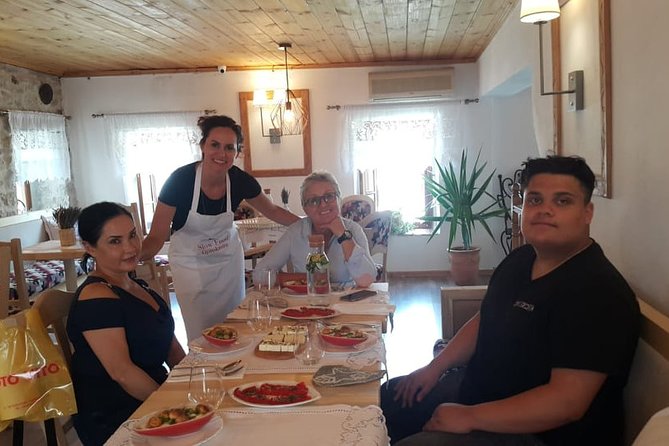
The activity lasts about two hours, but allow some flexibility around the start time. Some bookings have not been visible to the host immediately, and one participant had to return later after the appointment was not organized on arrival.
Confirmation normally arrives at booking. If you book within one day of the activity, confirmation is sent as soon as possible and depends on availability. Since the experience is private, you should not assume another group will absorb a scheduling mistake.
Free cancellation is available up to 24 hours before the start time for a full refund. Changes or cancellations made less than 24 hours before the start time are not accepted for a refund, and the cut-off uses local time.
Service animals are allowed. The meeting point is near public transport, and the activity returns to its starting point.
Who should book this class?
I would choose this class if you want an edible introduction to Gjirokaster and prefer meeting a local family to sitting through a formal demonstration. It suits first-time visitors who want local context, home cooks who like collecting regional recipes, and couples or small groups who value privacy.
It is also a good fit if you are curious about foods that are not always easy to identify on a restaurant menu. Qifqi and hasude become much more memorable once you have shaped or stirred them yourself.
You should think twice if your schedule is rigid or if you need every detail to run on time. The address and booking communication need extra attention. I would also avoid assuming that the cook will speak fluent English directly, although family translation is available.
Should you book the Edua.gjirokaster cooking class?
Book it if the idea of making three traditional dishes in the bazaar appeals to you and you can allow some flexibility. The personal setting, family recipes, take-home instructions, and meal at the end give it more substance than a quick food demonstration.
Before booking, send a message to confirm the exact location, start time, full three-dish menu, and which drinks are included. If those details are clear, the class offers a practical and friendly way to understand Gjirokaster through its food.
FAQ
Where does the cooking class take place?
The meeting point is on Rruga Gjin Shpata in Gjirokaster, in the medieval bazaar. The activity ends back at the meeting point.
How long does the class last?
The stated duration is approximately two hours. One account describes a session of about one hour, so confirm the timing if you have a tight schedule.
What dishes will I prepare?
The sample menu includes qifqi rice balls as a starter, traditional OSA pasta with lamb meat as the main course, and hasude made with starch, butter, and walnuts for dessert.
Do I eat the food I cook?
Yes. The experience includes eating the meal you prepare at the end of the class, along with traditional appetizers and drinks as described.
Is the class private?
Yes. Only your group participates in the activity.
Is the class offered in English?
The experience is offered in English. The cook may not speak English directly, so a family member may translate during the class.
Is the meeting point easy to reach?
The location is in the heart of Gjirokaster’s bazaar and near public transportation. However, the address connected to the booking has caused confusion, so contact Edua.gjirokaster before arrival.
Do I receive the recipes?
Yes. You receive the written recipes, and you can take home what you cooked.
Are drinks included?
The experience description includes various drinks, but wine and beer may be charged separately. Confirm the beverage details before the class.
What is the cancellation policy?
You can cancel up to 24 hours before the start time for a full refund. Cancellations or changes made less than 24 hours before the experience are not accepted for a refund.
Just added in Gjirokaster
- Half day Quad Adventure at Vjosa National Park in Permet★ 5.0 · 4 reviews
- Multi Day Kayaking In Vjosa River ,Camping -6 Days★ 5.0 · 5 reviews
- Walking Tour Baazar – The Argjiro Castle – Zekate house★ 4.5 · 18 reviews
- Wood Crafting Experience in Gjirokastra★ 4.5 · 10 reviews
- Walking Tour “The Old Bazaar, Cfake, Dunavat, Ali Pasha Bridge”★ 5.0 · 10 reviews
- Gjirokastra Private Half-Day Walking Tour★ 5.0 · 3 reviews
- Gjirokaster – The Stone City of UNESCO, Private Tour from Tirana★ 4.5 · 4 reviews
- Vegetarian Cooking Class @Teta Marjeta★ 5.0 · 11 reviews
Cooking Classes, compared.
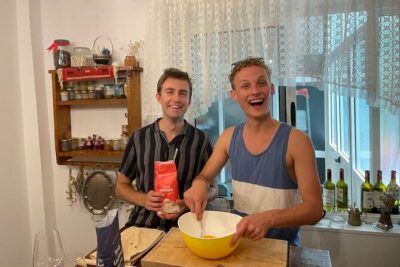
Cooking Classes and Traditional food tasting in Tirana
Read our review →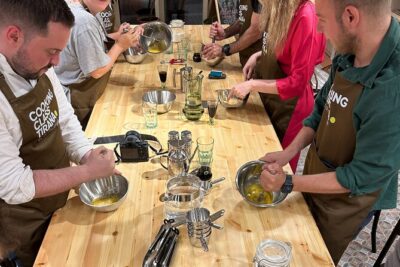
Traditional Albanian Cooking Class in Tirana with Raki Tasting
Read our review →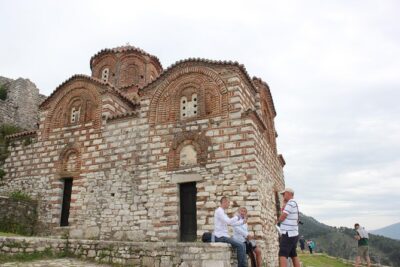
Berat Cooking Class- Traditional Albanian Cooking Class /By Vato
Read our review →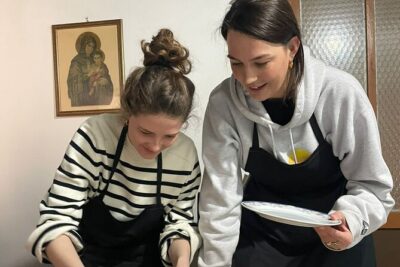
Savor Albanian Cuisine Cooking Class with Mama Nina Berat Castle
Read our review →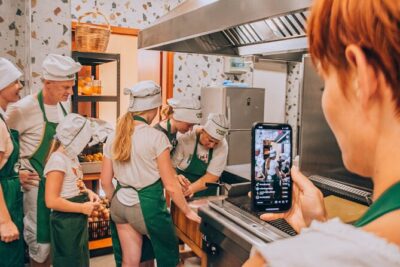
Farm-to-Table Cooking Class with Local Family by 1001 AlbAdv
Read our review →Browse the lists this tour appears in