
Reviewed · WALKING TOURS
Walking Tour “The Old Bazaar, Cfake, Dunavat, Ali Pasha Bridge”
Gjirokaster’s famous castle gets the attention, but this walk takes you below its walls and into the quieter parts of town. You’ll pass old stone homes, a Bektashi tekke, sheep-covered hills, and the remains of an aqueduct built for Ali Pasha Tepelena. It is a good way to see how the city extends beyond its postcard center.
I like the local scale of the tour and the way guides such as Arli and Viki connect buildings and neighborhoods to present-day life. I also like the price, $18.06 for about three hours with a guide. The catch is the ground: this is not a polished pavement stroll, and reaching the bridge itself can be difficult.
Key things to know before you go
- The walk begins at 9:30 am from Experience Gjirokastra on Rruga Gjin Zenebisi.
- The Old Bazaar is now a residential historic quarter, not a working market filled with stalls.
- Cfaka brings old houses, a Bektashi tekke, hills, and open views into the route.
- The Ali Pasha Bridge is part of an old aqueduct, built more than 200 years ago.
- Expect uneven cobbles and rough ground, with sturdy sneakers strongly recommended.
- The group can include up to 30 people, though the guide-led format remains the main attraction.
Why this walk shows a different Gjirokaster
Gjirokaster is often reduced to three sights: the castle, the bazaar, and the view from the hill. Those are worthwhile, but they do not tell the whole story. The city’s older neighborhoods continue below and beyond the central tourist route, where stone houses sit along steep lanes and bridges connect parts of the town.
This tour focuses on that less polished side of Gjirokaster. You are not simply moving from one major monument to the next. You are walking through neighborhoods that still feel tied to local life, with the castle walls above you and the hills opening out around you.
I like this approach because it gives the city some depth. The route is about architecture, water, religion, and daily life rather than a checklist of famous sights. The guide is especially important here. A bare walk through old lanes can feel aimless, but a good guide can explain why a house matters, how the neighborhoods fit together, and what it is like to live in Gjirokaster now.
The experience has earned a five-star rating from all 10 recorded ratings, with specific praise for the guides’ clear English, humor, local knowledge, and personal stories. That is a small sample, so I would not treat the score as a guarantee. Still, the comments point to the central strength of this experience: the human side of the walk.
Other guided walks in Gjirokaster:
- Walking Tour Baazar – The Argjiro Castle – Zekate house
★ 4.5 · 18 reviews - Gjirokaster walking Tour The Old Baazar, Cfake, Dunavat, Ali Pasha Bridge
★ 5.0 · 4 reviews - Gjirokastra Private Half-Day Walking Tour
★ 5.0 · 3 reviews
Starting below the castle at the Old Bazaar
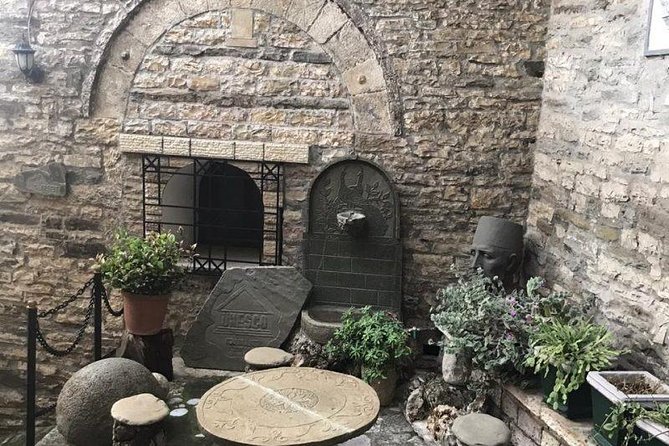
The meeting point is Experience Gjirokastra, at Rruga Gjin Zenebisi. The walk begins at 9:30 am, from Cerciz Topulli Square in the center of the old town.
From there, you head toward the Old Bazaar, the first neighborhood outside the castle walls. The name can mislead you. This is not a traditional market where you should expect rows of produce stalls or a busy trading hall. The area is now valued for its setting below the castle, its cobbled lanes, and its old houses.
That difference matters. If you are looking for shopping, this is not the main reason to book the walk. If you want to understand how Gjirokaster grew around the castle, it makes much more sense. The neighborhood shows the relationship between the fortress above and the homes below.
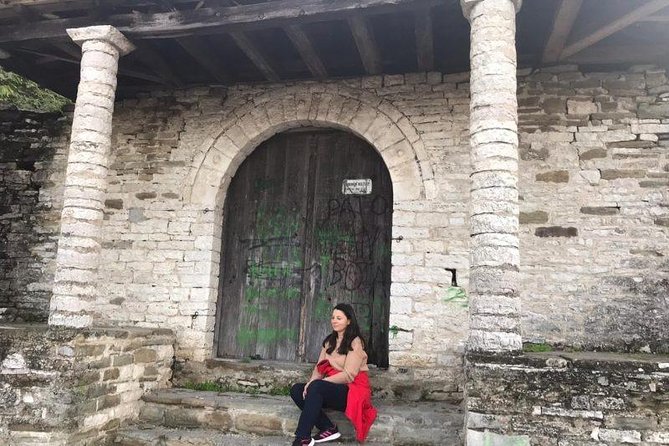
Look for the stonework under your feet and the shape of the houses along the lanes. The route is described as passing some of the oldest homes in the neighborhood, and the combination of cobbles and traditional buildings gives this first section its character.
You may also find that the Old Bazaar is quieter than the central tourist areas. That can be a benefit if you prefer streets with a lived-in feel, but it also means the experience depends more on the guide’s storytelling than on shops or formal displays.
Crossing the Zerzebili Bridge into Cfaka
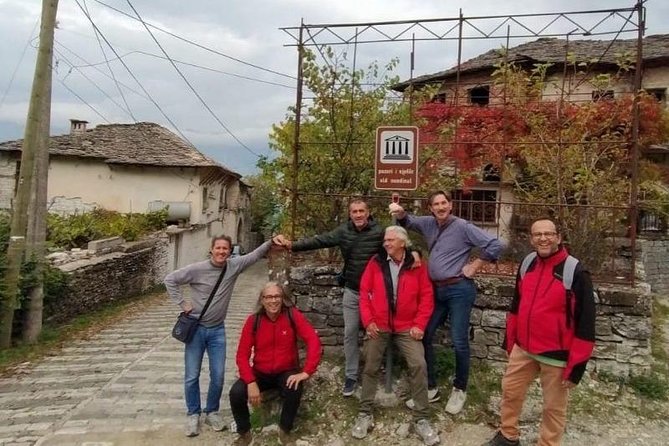
After the Old Bazaar, the route crosses the Zerzebili Bridge and continues into Cfaka, another old neighborhood of Gjirokaster. This change of district gives the walk a useful rhythm. You begin with the streets closest to the castle, then move toward a more open area with historic homes and hills.
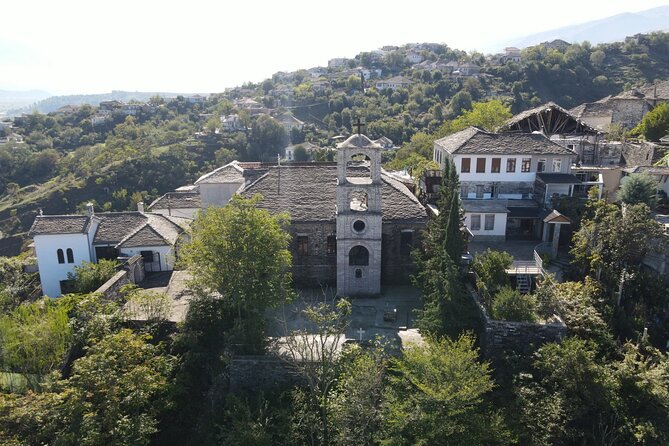
Cfaka contains several houses classified as first-category monuments. The tour does not treat these buildings as isolated museum pieces. Instead, you see them in the setting of an old neighborhood, where their position, stone construction, and relationship to the road help explain how the area developed.
The route also passes a tekke belonging to the Bektashi Order. This adds a religious layer to the walk. The site is important not only as a building but as a reminder that Gjirokaster’s heritage includes different traditions and institutions, not just military architecture and grand houses.
Your guide can make this part especially useful by explaining what you are seeing in plain language. Arli, for example, is described as giving careful explanations of the neighborhoods and the bridge. Viki is described as a local guide who adjusts the schedule to match interests. Marco and Mario are associated with an informal style that feels more like walking with well-informed friends than listening to a dry lecture.
Those names are useful when you book, but guide assignment is not stated as guaranteed. The main point is to expect a personal, English-language presentation rather than an audio guide or a self-guided route.
Hills, sheep, and the road to the aqueduct
The route from Cfaka to the Ali Pasha Bridge is where the walk becomes more rural in feel. The description points to hills with sheep, old homes, and views across the surrounding area. This is one of the tour’s strongest contrasts: you start in the center of the old town and gradually move into a setting where nature becomes more visible.
I like this section because it makes Gjirokaster feel like a place rather than a monument. The old houses are not separated from the hills around them. The route links the town’s built heritage with the land that surrounds it.
There is a practical price for that change of scenery. The ground is described as uncomfortable, and the route may include rough or uneven sections. One guide explained that getting to the actual bridge can be difficult, so the group may instead take a neighborhood route leading to a strong view of it.
That detail is important. Do not book this expecting an easy path directly to the bridge. The exact access can depend on terrain and conditions, and you may see the bridge from a viewpoint rather than walk right up to it. You still get the historical setting and the view, but the final approach may not match an idealized picture of the itinerary.
Wear sneakers with a firm sole. Sandals, smooth dress shoes, or thin casual footwear would make the rough sections less pleasant. The tour lasts about three hours, so comfort matters more than looking polished.
Same base, a different sort of day:
- Rafting Vjosa River Gjirokastër Albania ARG
★ 5.0 · 199 reviews - Amazing Horse Riding Experience at Vjosa National Park in Permet
★ 5.0 · 199 reviews - Rafting Tour in Vjosa Wild River National Park
★ 5.0 · 100 reviews - Amazing Rafting Experience at Last Wild Vjosa River of Europe in Permet, Albania
★ 5.0 · 60 reviews
What makes Ali Pasha Bridge worth the walk
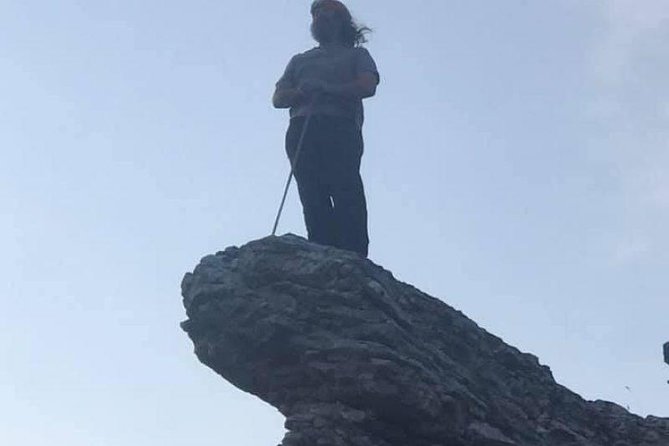
The Ali Pasha Bridge is a surviving part of an aqueduct built more than 200 years ago by Ali Pasha Tepelena to carry water to the castle. That function gives the site more meaning than a simple old bridge crossing.
The aqueduct helps explain one of the less visible needs of a hilltop fortress. A castle requires water, and supplying it involves engineering, labor, and a route through difficult ground. When you look at the bridge as part of that larger system, it becomes a practical piece of Gjirokaster’s past rather than just a picturesque ruin.
The bridge is also a good final destination because it changes the focus of the walk. The Old Bazaar and Cfaka show how people lived around the castle. The aqueduct shows how the city supported the castle itself.
Access is the main qualification. The route can be difficult, and the guide may choose a viewpoint for safety or practicality. That is not necessarily a disappointment. A good view, combined with a clear explanation of the aqueduct, may tell you more than a rushed scramble over rough ground.
The tour returns to the meeting point after the walk. You should allow the full three hours rather than planning another fixed activity immediately afterward.
The guide makes or breaks the experience
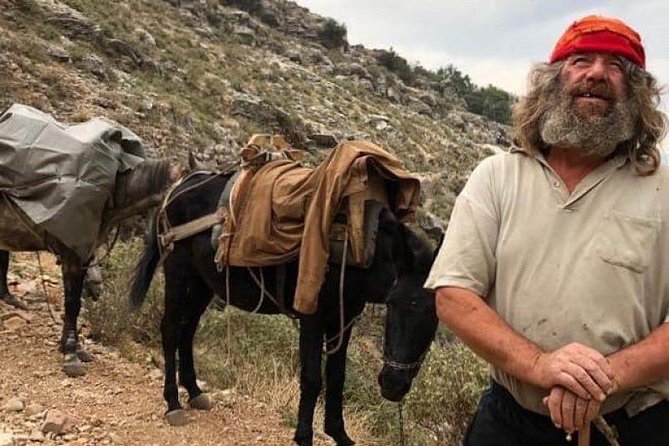
The route is interesting, but the guide determines how much you get from it. There are no listed admissions, tastings, transport segments, or special equipment. The included service is the guide, so the value rests largely on interpretation and local context.
The strongest guide traits described for this experience are clear English, humor, local insight, and a willingness to adjust the walk around your interests. One guide is described as a young resident of Gjirokaster who brings personal experiences into the explanations. That can make the old houses and neighborhoods feel less remote.
You may hear about both the history of the town and what it is like to live there today. That combination is more useful than a string of dates. It gives you a way to read the streets after the tour, even if you later explore them on your own.
The group limit is 30 people. That is not a tiny private walk, and a full group could make conversation less direct, especially on narrow lanes. Still, the experience is built around walking and explanation, not around a large vehicle or a fixed viewing platform. If you want guaranteed one-to-one attention, ask about the group size when booking. The available information confirms only the maximum.
Is $18.06 a good value?
At $18.06 per person, this is a modestly priced half-day-style activity. You are paying for about three hours of guiding through several historic areas, not for entry tickets or transport. Since the route is on foot and the guide is the only listed inclusion, the value depends on how much you want context and company.
I consider the price fair for a first visit to Gjirokaster, especially if you have already seen the castle and want a different angle on the city. A guide can save you from simply passing old houses without understanding why they matter. The walk also reaches places you might skip when planning only the central sights.
It is less suitable if you want a relaxed stroll with plenty of sitting, shopping, or indoor visits. There is no mention of included food, drinks, entrance tickets, or vehicle transfers. Bring what you need for a three-hour walk, and expect to pay separately for anything not listed as included.
Gratuities are not included. The tour price covers the guide, but a tip is a separate personal choice.
Practical details that affect your decision
Confirmation is provided when you book, and the ticket is mobile, so you do not need a printed voucher. The tour is offered in English and starts at 9:30 am.
Service animals are allowed, public transportation is nearby, and most people can take part. The wording about participation should not be confused with an easy route. The uneven terrain remains the main physical concern, particularly on the approach to the bridge.
The experience requires good weather. If poor weather causes cancellation, you can choose another date or receive a full refund. It also requires a minimum number of participants, so the same alternatives apply if that minimum is not reached.
You can cancel for a full refund up to 24 hours before the start time. Cancellations or changes made less than 24 hours before the 9:30 am start are not accepted for a refund. The cut-off follows local time.
Who should book this Gjirokaster walk?
I would choose this tour if you want to see Gjirokaster beyond the castle and central streets. It suits you if old neighborhoods, architecture, religious history, local stories, and countryside views matter more than shopping or formal museum visits.
It is also a good fit if you value a guide who can explain daily life alongside the past. The comments connected with Arli, Viki, Marco, and Mario suggest that the best version of the experience is conversational, flexible, and grounded in local experience.
I would hesitate if you have difficulty walking on cobbles or uneven ground, or if you need a fully accessible route. The available information says most people can participate, but it does not promise an accessible path to the bridge.
Should you book it?
Book this walk if you have three hours, sturdy shoes, and curiosity about the parts of Gjirokaster that sit outside the usual castle circuit. The Old Bazaar, Cfaka, Bektashi site, and Ali Pasha aqueduct create a varied route, and the low price makes it a sensible way to add local context to your stay.
Skip it if your priority is an easy, level walk or direct access to the bridge itself. The route can be rough, and the final view may replace a close approach. For most active visitors who want a more personal look at Gjirokaster, that trade-off is worth making.
FAQ
How long does the walking tour last?
The tour lasts approximately three hours.
Where does the tour begin?
It begins at Experience Gjirokastra, Rruga Gjin Zenebisi, in Gjirokaster. The route starts from Cerciz Topulli Square in the old town.
What time does the tour start?
The scheduled start time is 9:30 am.
What language is the tour offered in?
The tour is offered in English.
Does the tour include an entry ticket or transportation?
The listed inclusion is a guide. Entry tickets and transportation are not listed as included.
Is the Ali Pasha Bridge easy to reach?
The terrain leading to the actual bridge can be difficult. Depending on conditions, the guide may take you through neighborhoods to a good view of the bridge instead.
What happens if the weather is poor?
The tour requires good weather. If it is canceled because of poor weather, you can receive a full refund or choose a different date.
Can I cancel the booking?
You can cancel up to 24 hours before the start time for a full refund. Cancellations or changes made less than 24 hours before the start time are not accepted for a refund.
Just added in Gjirokaster
- Half day Quad Adventure at Vjosa National Park in Permet★ 5.0 · 4 reviews
- Multi Day Kayaking In Vjosa River ,Camping -6 Days★ 5.0 · 5 reviews
- Walking Tour Baazar – The Argjiro Castle – Zekate house★ 4.5 · 18 reviews
- Cooking Class★ 4.5 · 12 reviews
- Wood Crafting Experience in Gjirokastra★ 4.5 · 10 reviews
- Gjirokastra Private Half-Day Walking Tour★ 5.0 · 3 reviews
- Gjirokaster – The Stone City of UNESCO, Private Tour from Tirana★ 4.5 · 4 reviews
- Vegetarian Cooking Class @Teta Marjeta★ 5.0 · 11 reviews
Walking Tours, compared.
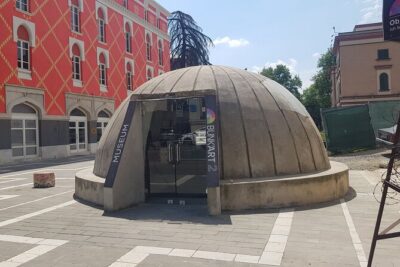

Tirana Walking Tour: History, Culture &Gems by a Passionate Guide
Read our review →
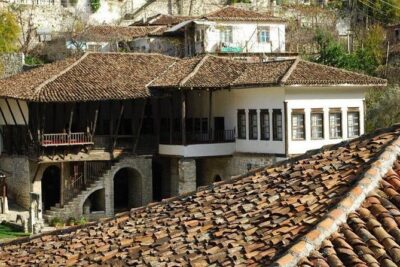
Premium Walking Tour of Berat with Expert Guides
Read our review →
Private Walking Tour Visit to Durrës with Licensed Guide
Read our review →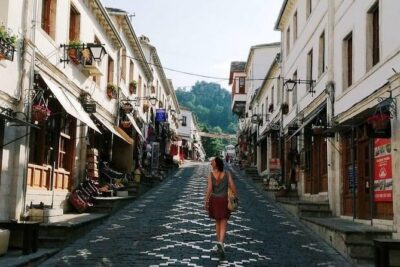
Walking Tour Baazar – The Argjiro Castle – Zekate house
Read our review →Browse the lists this tour appears in