
Reviewed · UNESCO HERITAGE TOURS
Albania: Mini UNESCO Food Tour – 4 Days
Albania packs an astonishing amount into four days: UNESCO towns, Roman ruins, Ottoman homes, mountain springs, and Ionian beaches. This tour links the country’s best-known southern sights with the food that gives them meaning, from coffee and raki in a Berat home to mussels near Ksamil.
I like the small maximum of eight people, which should make village meals and local guide time feel more personal. I also like the strong mix of places: Berat and Gjirokaster for old stone streets, Butrint for ancient ruins, and Llogara and the coast for fresh air and sea views. The drawback is pace. You cover a lot of ground, and several days involve long drives on winding roads.
Key points to know before booking
- Four UNESCO-linked days: Visit Berat, Gjirokaster, and Butrint, with historic Durrës included on the opening day.
- Food is part of the visit: Expect four lunches, three breakfasts, homemade dishes, seafood, coffee, dessert, and raki.
- Small-group format: The coach carries a maximum of eight people, a useful size for local restaurants and guided walks.
- South Albania takes center stage: The Blue Eye, Ksamil, Lekursi Castle, Ali Pasha Castle, and Vlore fill out the route.
- Strong guide service matters: Florian, Flori, Mimi, and Erand have all led Good Albania trips, with past praise for care, driving, and meal choices.
- Plan your arrival and departure carefully: The tour begins at 9:00 a.m., and your Tirana hotel after the final transfer is not included.
Why this four-day route works
This is not a cooking course with a few monuments added on. It is a fast-moving cultural tour in which meals help explain the places you visit. You see the buildings, then eat in the region that produced them.
That approach suits you if you want a first look at southern Albania without renting a car. The private deluxe motor coach removes the need to handle unfamiliar roads, and the Tour Director is joined by local guides at important sites. A small group also helps keep the experience from feeling like a large bus excursion.
The route is ambitious. In four days, you travel from the Adriatic coast to Berat, then south to Gjirokaster, Butrint, Ksamil, and the Ionian coast before heading north to Vlore and Tirana. You should expect full sightseeing days rather than long lazy afternoons.
Three hotel nights, three breakfasts, four lunches, transport, guided visits, and selected entrance fees are included. At $1,352.74 per person, the price is not low, but it covers the costly parts of a short multi-city trip. You are paying for transport, planning, drivers, local guides, and meals as well as rooms. Gratuities and anything not listed are extra, and there is a single supplement of €80.
A few more things to do in Tirana worth a look
- Local food experience & walking tour of Tirana
★ 5.0 · 192 reviews - Best of Local Food & City Tour of Tirana – Food & Drinks Included
★ 5.0 · 160 reviews - Kruja & Durres | History and Local Food
★ 5.0 · 17 reviews
Durrës and Berat: Roman ruins, castle lanes, and a home coffee
The first morning begins in Durrës at 9:00 a.m. Durrës is Albania’s Adriatic port city, and the opening walk gives you a quick introduction to several layers of its past.
You visit the City Walls, Byzantine Forum, Roman Thermal Baths, Venetian Tower, and Amphitheater. Street art around the ancient remains adds a modern note, so this is not a solemn ruins-only stop. The visit lasts about two hours, with admission listed as free.
The Durrës Amphitheater is the main draw. You get a sense of the city’s Roman importance, while the walls and Venetian Tower show how the town continued to matter long after Rome. Since the stop is relatively short, you should see it as an orientation to Durrës rather than a full archaeological study.
From Durrës, the coach heads toward Berat through hills lined with olive trees. Lunch comes at a local restaurant facing the city, a pleasant way to arrive before the afternoon walk.
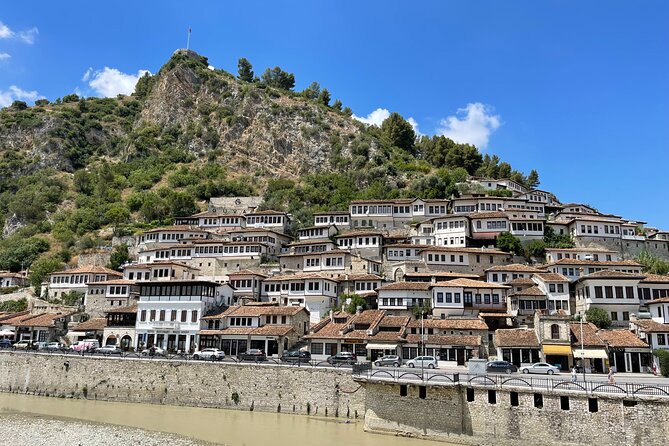
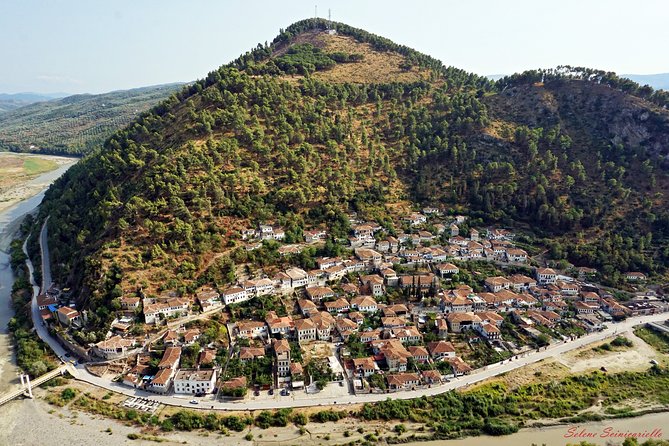
Berat is known as the city of a thousand windows, a reference to the many windows of its Ottoman houses climbing the slopes. The castle, or citadel, is not simply a viewpoint. It remains a living historic quarter, with churches and homes inside its walls.
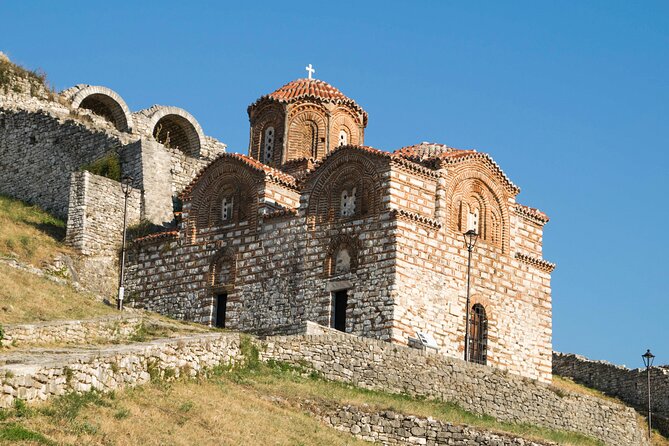
Your guided visit includes the Red Mosque, marked by its lone minaret, and Byzantine churches such as Holy Trinity Church and St. George Church. The mix of Islamic and Christian buildings gives Berat much of its character. You are not just looking at one old monument. You are walking through a town shaped by several faiths and periods.
The most personal moment comes inside a local home in the castle. There, you stop for coffee, raki, and dessert. This is exactly the sort of small encounter that gives a food-focused tour its purpose. It also offers a pause after the uphill walking.
Later, you see the King Mosque, Halveti Tekke, and the arched Gorica Bridge, built in 1780. You have free time to wander through Mangalem and Gorica, the two main historic districts. Wear shoes with a firm grip. Castle paths and old town streets can be uneven, and the word hill matters here.
Gjirokaster: stone streets and the Skenduli family home
Day two takes you to Gjirokaster, often called the city of a thousand steps. The nickname is a useful warning: this is a town of slopes, stairs, and stone paving.
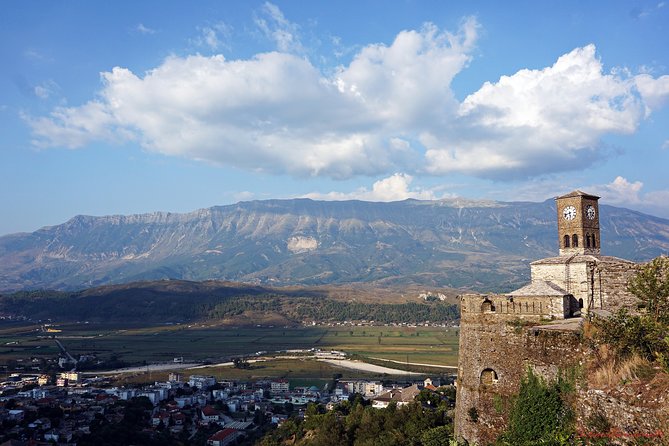
The castle crowns the city and gives you a broad view over the rooftops and surrounding countryside. You spend time there with a guide, then walk through the Ottoman Bazaar and past historic wooden houses.
The Gjirokastra Obelisk honors the city’s first school and provides a 360-degree view. It is a worthwhile stop for orientation because Gjirokaster is easier to understand from above. You can see how the castle, bazaar, and houses fit together on the hillside.
Lunch is served at a small local restaurant, with regional dishes chosen to give you a taste of the city rather than a generic group meal. Several past trips were especially praised for thoughtful restaurant choices, so the food component appears to depend heavily on the Tour Director.
The standout visit is Skenduli House, an Ottoman tower home connected with the tenth generation of the Skenduli family. You hear the family story and details of the building from that long connection. This adds something a museum cannot: the house becomes a lived family place, not just an impressive collection of rooms.
You have a relaxing evening to walk around Gjirokaster. I would use it for a slow look at the bazaar and another view of the stone houses, rather than trying to add more major sights. The day includes about four hours of scheduled sightseeing, but transfers and informal walking make it longer overall.
The route is rewarding, but Gjirokaster is not gentle on knees or ankles. If stairs and sloping lanes are hard for you, ask about the walking plan before booking. The tour notes that most people can participate, but it does not promise step-free access.
The Blue Eye and Butrint: nature beside 2,500 years of history
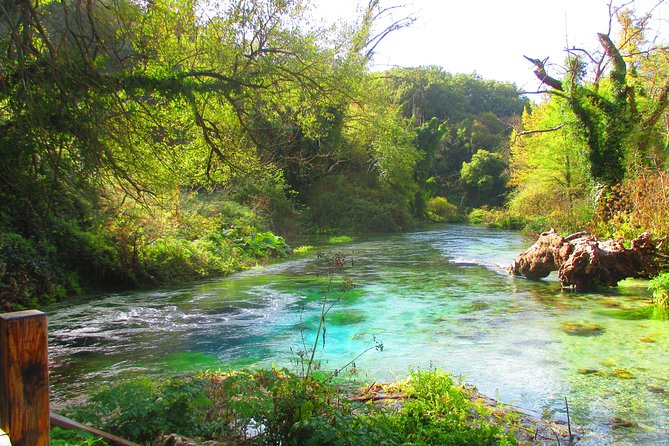
The third day begins with a transfer to the Blue Eye, a spring known for its striking shades of blue. The stop lasts about 30 minutes, so you get a quick look at the water and surrounding nature rather than a long walk or extended outdoor outing.
The Blue Eye works well as a break between historic towns. Its appeal is visual and immediate: clear, intensely colored water in a green setting. The short visit also helps keep the packed day moving.
Next comes Butrint National Park, one of the central reasons to choose this tour. A local guide leads you through the archaeological site, where Greek, Roman, Byzantine, and later remains occupy a wooded setting near the water.
The tour includes the Amphitheater, Castle, churches, and Lion Gate. Together, these sites show how Butrint changed over roughly 2,500 years. The Amphitheater gives you the strongest Roman-era connection, while the churches point to the town’s later Christian life. The Lion Gate is one of the memorable entrances and helps you picture Butrint as a defended settlement.
You have about two hours here. That is enough for a guided introduction, though not enough to inspect every corner at a slow pace. Listen closely to the local guide, since the site can otherwise feel like a series of attractive stones without a clear story.
The walking is outdoors and may include uneven ground. Good shoes, water, and sun protection make sense, though the supplied details do not specify what facilities are available at each stop.
Other heritage days out of Tirana:
- Berat city UNESCO tour, the Castle & Belshi lake- From Tirana
★ 5.0 · 804 reviews - From Tirana: Berat UNESCO & Belshi Lake Full-Day Tour
★ 5.0 · 118 reviews - Gjirokastra UNESCO & Ksamil Beach – From Tirana/Durres/Golem
★ 5.0 · 117 reviews - Berat UNESCO Small-Group Day Tour from Tirana
★ 5.0 · 31 reviews
Ksamil, mussels, and the view from Lekursi Castle
After Butrint, the coach continues to Ksamil for lunch at The Mussel House. This is one of the tour’s clearest food moments, with fresh seafood tied directly to the southern coast.
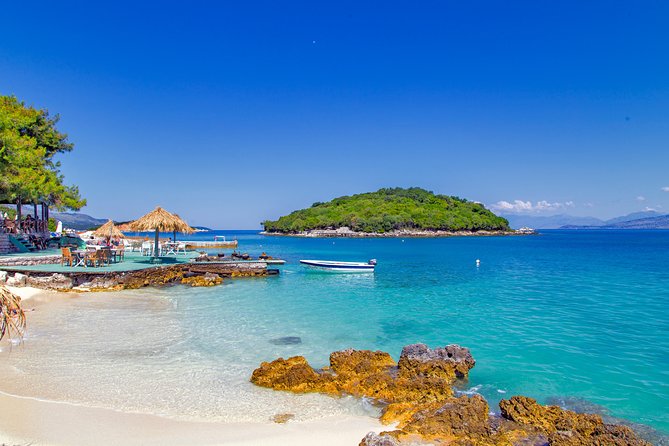
Ksamil is also your chance to spend part of the afternoon by the sea. The schedule allows about two hours, including the lunch stop and time in the area. You should not expect a full beach holiday from this visit, but you will have time to enjoy the coastal setting before continuing.
On the return toward Saranda, you visit Lekursi Castle, which overlooks the city. Its value is mainly the view and the setting. After a day of ruins and coastal roads, the elevated outlook gives you a useful sense of the Ionian coast.
This day has the biggest contrast in the whole trip: a blue spring in the morning, an ancient city by midday, and seafood beside the sea later on. It is also one of the longest and busiest days, so the schedule may feel tight if you prefer extended beach time.
Ali Pasha Castle and Vlore’s independence story
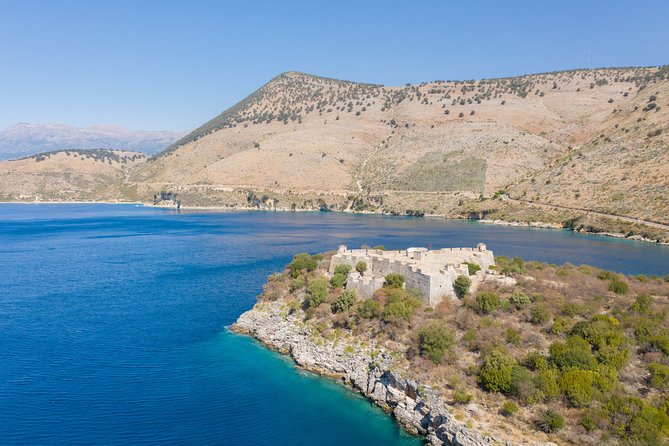
The final sightseeing day turns north toward Vlore, with Ali Pasha Castle along the way. You explore the fortress with the Tour Director and hear legends about Ali Pasha Tepelena, the man who built it.
The visit lasts about two hours and includes admission. The castle adds a more military and legendary note after the churches, homes, and ancient theaters earlier in the trip. It also breaks up the transfer to the coast.
Lunch follows at a rustic restaurant beside the Shushica River. This is another meal chosen for setting as much as for food. The route repeatedly uses local restaurants rather than treating lunch as a basic fuel stop, which is important on a food-centered tour.
In Vlore, you visit Flag Square and the Independence Monument. Vlore is tied to Albania’s National Independence movement, so this stop gives the tour a modern national story after several days focused on older kingdoms and empires.
The Muradie Mosque and Vlore Lungomare complete the visit. The mosque connects the city to its Ottoman past, while the Lungomare gives you a more open seaside setting. About an hour and a half is allowed in Vlore before the late-afternoon transfer to Tirana.
Your Tirana hotel is not included. That detail matters. Arrange your final night separately and confirm where the coach will leave you. If you have an early flight the next morning, choose your hotel with that transfer in mind.
The guides and the small-group advantage
The Tour Director is a major part of this trip because the route involves long drives, changing roads, and meals at small restaurants. Past Good Albania tours have been led by Florian, also called Flori, as well as Mimi and Erand.
Florian was praised for safe driving, attention to families, and good lunch choices. One family specifically noted that he was helpful while traveling with a toddler. Another account described him as both guide and companion, while Erand was associated with Gjirokaster, Ionian swimming, and local food.
Those names do not guarantee who will lead your departure, so confirm the assigned guide if that matters to you. What you can count on from the tour design is a private coach, a Tour Director, and local guides at key sites.
The maximum group size is eight. That is small enough for easier conversation, flexible meal seating, and less time getting people on and off the coach. It is also large enough that you should not expect a fully private trip.
Who should book this tour?
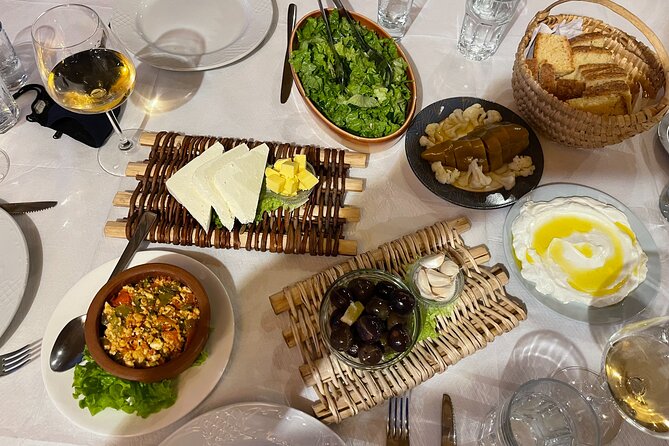
You should consider it if you want a broad first taste of Albania and would rather leave the driving to someone else. It is especially suited to people who value UNESCO sites but do not want a museum-only schedule. The home visit, coffee, raki, regional lunches, and seafood give the monuments a human setting.
Families may find the supported transport useful, and the small group can make the trip easier than a large coach tour. Still, the walking and transfers require reasonable stamina. Gjirokaster and Berat include slopes and old paving, while the southern route takes you through several long road sections.
You may want a slower trip if your priority is beach time, relaxed meals, or detailed exploration of every archaeological site. Four days is enough to see the highlights, not enough to settle into each town.
Cancellation terms are strict close to departure. Cancel at least six full days before the start for a full refund. Cancellation two to six full days ahead brings a 50 percent refund, while cancellation less than two full days ahead is nonrefundable. The tour also requires a minimum number of participants, with a full refund or alternative offered if that minimum is not met.
Should you book it?
Book this tour if you want Albania’s major southern sights arranged into one efficient route, with food and local contact built into the days. The price is fair for the included hotels, meals, private transport, guides, and entrance fees, though it is best viewed as a packed introduction rather than a restful holiday.
I would choose it for a first visit, particularly if Berat, Gjirokaster, Butrint, and the coast are all on your wish list. Before paying, confirm pickup details, the assigned guide, walking expectations, and your Tirana hotel for the final night. If those practical points suit you, this is a strong way to meet Albania through its old towns, open roads, and generous table.
FAQ
How long is the Albania Mini UNESCO Food Tour?
The tour lasts approximately four days and includes three nights in handpicked hotels.
Where does the tour start?
The tour is based in Tirana, with a listed start time of 9:00 a.m. Pickup is offered, but you should confirm the exact meeting or pickup details when booking.
What meals are included?
The package includes four lunches and three breakfasts. Other meals and items not specifically listed are not included.
Is transportation included?
Yes. The tour includes a private deluxe motor coach for the route between Durrës, Berat, Gjirokaster, the southern coast, Vlore, and Tirana.
What UNESCO sites are visited?
The route includes Berat, Gjirokaster, and Butrint, all UNESCO World Heritage sites. Durrës, the Blue Eye, Ksamil, Lekursi Castle, Ali Pasha Castle, and Vlore are also included.
How large is the group?
The maximum group size is eight people.
Is accommodation in Tirana included after the tour?
No. The final transfer to Tirana is included, but hotel accommodation in Tirana after the tour is not included.
What is the cancellation policy?
Cancel at least six full days before the start time for a full refund. Cancellation two to six full days ahead receives a 50 percent refund. Cancellations less than two full days before the start are not refunded.
Just added in Tirana
- From Tirana Wine Tasting & Food tour in Berat★ 5.0 · 5 reviews
- Berat Cooking Class- Traditional Albanian Cooking Class★ 5.0 · 9 reviews
- Wine Tasting day in Berat (Visit to the Berat Castle & Lunch included)★ 4.5 · 6 reviews
- UNESCO heritage in Albania – 4 days★ 5.0 · 3 reviews
- Wine Tasting & Vineyards Escape near Tirana★ 5.0 · 18 reviews
- Shen Gjergji Waterfall & Tirana Sunset Included Dinner★ 5.0 · 9 reviews
- Private Transfers from Tirana International Airport to Sarandë★ 4.5 · 3 reviews
- Visit Vlore & Himare Beaches includes lunch★ 4.5 · 13 reviews
UNESCO Heritage Tours, compared.
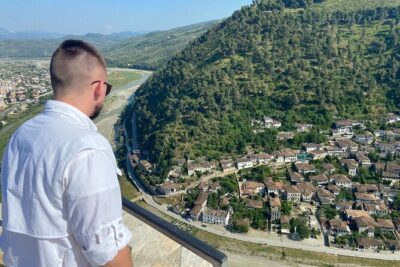
Berat city UNESCO tour, the Castle & Belshi lake- From Tirana
Read our review →
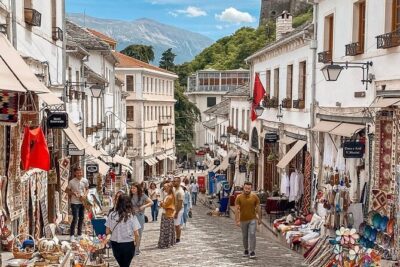
Gjirokastra UNESCO & Ksamil Beach – From Tirana/Durres/Golem
Read our review →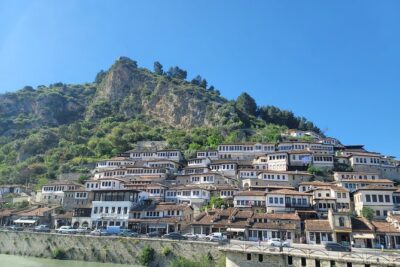
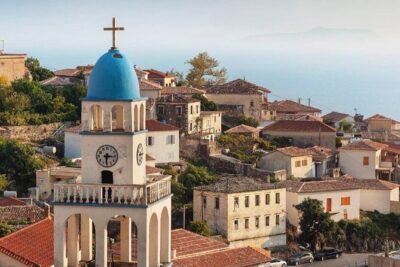
Small Group Tour; Pearls of Albania in 8 Days (3 UNESCO Sites)
Read our review →
Ancient City of Butrint, UNESCO World Heritage site – A Must
Read our review →
Berat Day Tour: Explore Albania’s UNESCO City from Durres
Read our review →
Day Trip To Berat,UNESCO Heritage with Tirana Day Trips
Read our review →Browse the lists this tour appears in